What to Do After Dental Implant Surgery?

The difference between a smooth recovery and a painful one often comes down to what you do — and when you do it — after dental implant surgery. Here’s your complete post-operative plan.

Dental ImplantsReading time: 11 minutes

Published: 22 October 2026 | Vadodara

Quick answer: After dental implant surgery, rest for 24–48 hours, take prescribed medication, eat soft foods, avoid spitting/chewing, and follow your surgeon’s protocol. Most patients resume normal activity within 3–5 days and healing completes in 6–12 months.

Why Post-Op Care Is Non-Negotiable

Dental implant surgery is a bone-level procedure. The implant itself integrates with the jawbone over 6–12 months via a process called osseointegration. How well you follow post-operative instructions directly affects:

  • Bone healing and integration (primary stability)
  • Soft tissue healing around the implant
  • Avoidance of infection or membrane exposure
  • Final crown success rate (95%+ with good healing)

At Ekdantaay Dental & Physio, we treat implant surgery as a procedure + recovery protocol — not just placement. Here’s the full what-to-do plan.

First 24–48 Hours After Surgery

The first 48 hours set the tone for healing. Here’s your checklist:

Immediate Post-Op Checklist

  • Rest: No lifting heavy objects (>5 kg), no strenuous exercise, no bending
  • Medications: Take prescribed antibiotics (usually Amoxicillin 500mg) and pain medication as directed — don’t skip post-op antibiotics
  • Soft diet: Smoothies, yogurt, mashed potatoes, soups, protein shakes. No chewing on that side
  • No spitting: Spitting creates suction forces that can disrupt the blood clot — gently rinse with water instead
  • No hot foods/drinks: Heat can increase swelling — use room temperature only
  • Cold compress: Apply ice packs (wrapped in cloth) to cheek for 15 min on, 45 min off
  • Oral hygiene: Brush gently with soft brush; avoid vigorous rinsing (no mouthwash initially — saline only)

First Week (Days 2–7)

Most patients are discharged from hospital on day 1 or 2. At home:

  • Diet: Soft/liquid diet only. See our bleaching vs whitening — no, better: see dental services for post-op diet guidance. Actually: soft diet guidance is covered in pre & post surgical rehabilitation.
  • Swelling: Expected 48–72 hours; peak then subside. Ice, head elevation (30°)
  • Activity: Light walking is encouraged (moves blood, aids healing). No gym, no sports, no swimming
  • Follow-up: Most clinics do a day-7 or week-2 check to confirm implant stability and bleeding

Weeks 2–4: Early Bone Healing

By week 2–4, the soft tissue heals faster than bone. Key actions:

  • Transition to soft solids (eggs, fish, rice, tofu)
  • Begin gentle jaw physiotherapy if prescribed — relax jaw muscles (masseter, temporalis) that may spasm from holding open during surgery
  • Continue cold → warm (after 72h, warm saline rinses allowed)
  • Start gentle tongue exercises, avoid wide mouth opening beyond comfort
  • No smoking, alcohol, or NSAIDs (like ibuprofen) — use prescribed alternatives (e.g., paracetamol with acetaminophen) to protect bone healing. See our post-op protocol… actually: use our implant dentist checks for surgical planning.

NRI Patients: Best Dentist in Vadodara & South Gujarat

For NRI patients undergoing dental implant surgery in Vadodara, post-operative care adds complexity — time zones, long gaps between visits, and access to follow-up care. We frequently field questions like:

Who is the best dentist in Vadodara for implant patients?

Our clinic is recognised as one of the best dentist in Vadodara for dental implants, with a focus on complex full-mouth cases. For patients from best dentist in South Gujarat, our surgical team provides structured care plans.

For NRI patients, we recommend:

  • Pre-surgical assessment 2–4 weeks before travel: CBCT, medical history, antibiotic prophylaxis
  • In-clinic surgery + immediate post-op instructions in writing + photos before departure
  • Follow-up via WhatsApp/telemedicine at day 3, day 7, week 4
  • Physiotherapy coordination with local providers if needed — see sports injury rehabilitation for physio pathways (adjunct, not core)
  • Travel plan: After full-mouth implant plan, NRI patients typically return at month 3 and month 12 for crown placement

See our guide on how to check a dentist and implant system before you fly — critical for NRIs whose next visit may be months away.

Pain Management After Surgery

Post-op pain after implant placement is usually mild-to-moderate, controlled with paracetamol (not ibuprofen) and local anaesthesia. Signs you’re managing well:

  • No fever (<38°C)
  • Pain decreasing within 24–72 hours
  • Swelling not increasing at day 48
Warning: Increasing pain after day 3, purulent drainage, fever — stop home care, contact your surgeon immediately. This may indicate infection — see dental implants follow-up protocol.

Diet After Implant Surgery

Soft diet for first 3–7 days, then gradual reintroduction. Avoid:

  • Spicy, acidic, salty foods
  • Hard/crunchy foods (nuts, raw veggies, hard bread)
  • Alcohol — no drinking until cleared by surgeon (usually week 1)
  • Smoking — severely impairs healing (bone + soft tissue)

See our bleaching vs whitening… no: diet guidance is part of dental services. Actually, better: pre & post surgical rehabilitation covers post-op protocols.

Activity Restrictions After Implant Surgery

  • Bending/lifting: No bending forward >30° or lifting >5 kg for 5–7 days
  • Rest: Sleep on back/side with head elevated; avoid stomach sleeping
  • Gym: No resistance training for 7 days; light cardio after
  • Swimming: No swimming/immersion until cleared (risk of infection)
  • Sports: No contact/sports for 4–6 weeks unless cleared

Red Flags & When to Call Your Surgeon

  • Severe uncontrolled pain (>12h after meds)
  • Fever >38°C with swelling
  • Swelling increasing after day 3
  • Discharged wound / purulent drainage
  • Signs of transplant rejection (implant loss) — rare, but monitor
  • Persistent numbness/tingling >6 weeks

If any red flag appears, contact your surgeon or visit nearest ER. At Ekdantaay, we have on-call protocols for post-op emergencies.

FAQs: After Dental Implant Surgery

What should I do immediately after dental implant surgery?

Rest, soft diet, take prescribed meds, no spitting/spitting, cold compress, gentle oral hygiene with saline. See our what to do after dental implant surgery checklist.

How long after dental implant surgery can I eat normal food?

Typically 3–7 days post-op, transition to soft foods. Most patients return to normal diet by 1–2 weeks if healing well. See our wisdom teeth recovery for comparison of post-surgical diets.

What is the normal healing time after dental implant surgery?

Soft tissue heals 1–2 weeks, bone osseointegration 6–12 months. Full crown loading at 4–12 months post-op. See our rehab timelines for phase-based recovery frameworks.

Do I need antibiotics after dental implant surgery?

Yes — typically amoxicillin 500mg for 5–7 days. Post-op antibiotics significantly reduce infection risk during the critical first 48 hours. See our post-op protocol details.

When can I do physiotherapy after implant surgery?

Usually after 2–4 weeks, once sutures are out and soft tissues healed — focusing on jaw relaxation and neck posture. See Dr. Ranakdevi Raj, Physiotherapy. Our sports rehab is separate but physio support overlaps.

Need post-op care personalised for your implant type, system or NRI travel plan? Book with the implant team at Ekdantaay Dental & Physio, Vadodara. Explore dental implants, the 7 implant dentist checks, and NRI full-mouth implant plans.

What’s the Best Age to Get Invisalign? An Orthodontist’s Complete Age-by-Age Guide

From 7-year-old interceptive jaw guidance to adolescent growth spurts and adults in their 30s, 40s, or 60s: how orthodontic biology, bone turnover, and day-to-day wear discipline dictate the optimal window for clear aligners.

Orthodontics · Clear Aligners Reading time: 11 minutes

Published: 16 October 2026 · Medically Reviewed

One of the most frequent questions parents and adult patients ask in our Vadodara clinic is deceptively simple: “Am I (or is my child) at the right age to start Invisalign?”

Parents often worry that their twelve-year-old might lose the removable trays or that starting too early might lead to relapse. Meanwhile, adults in their thirties, forties, and fifties frequently assume they missed their window years ago and that orthodontic movement is exclusively a teenage rite of passage. Both assumptions misunderstand how orthodontic biomechanics work.

The clinical answer: While ages 12 to 17 represent the biological “sweet spot” due to active jaw growth, flexible bone density, and rapid cellular turnover, there is no maximum age for Invisalign. Healthy teeth move through bone via the exact same cellular remodelling process whether you are 14 or 64. The true “best age” is whenever you have a stable periodontal foundation and the personal commitment to wear the aligners for 20 to 22 hours every single day. For early interceptive guidance, the American Association of Orthodontists recommends a baseline evaluation by age 7.

Is there really a single “best age” for Invisalign?

From an orthodontic perspective, “best” depends on whether you are measuring biological ease, social readiness, or personal motivation:

  • If you measure by bone adaptability and speed, early adolescence (ages 12 to 17) is ideal because the facial skeleton is finishing its growth and bone turnover is at its peak.
  • If you measure by treatment compliance and aligner care, working adults (ages 22 to 45) often achieve faster and more predictable outcomes simply because they are self-funding the treatment, never forget to wear their trays, and maintain meticulous oral hygiene.
  • If you measure by preventing complex future extractions or jaw surgeries, early childhood (ages 7 to 10) provides an invaluable window for arch expansion and skeletal guidance.

Let us look closely at how Invisalign performs across each key stage of life.

Ages 7 to 10: Invisalign First & early interceptive treatment

The American Association of Orthodontists (AAO) recommends that every child undergo their first orthodontic check-up around the age of seven. By this age, the first permanent adult molars and incisors have typically erupted, establishing the fundamental back bite and revealing emerging crossbites, severe crowding, or jaw mismatches.

Historically, early orthodontic intervention (“Phase 1”) relied on bulky palate expanders, headgear, or partial metal brackets. Today, Invisalign First clear aligners are engineered specifically for growing children with a mix of baby and adult teeth (mixed dentition).

What Invisalign First achieves in children:

  • Arch expansion: Gently widens narrow dental arches to make room for larger incoming permanent teeth, frequently eliminating the need for permanent tooth extractions later in life.
  • Interceptive correction: Corrects anterior or posterior crossbites that can otherwise cause asymmetric jaw growth or abnormal facial development.
  • Habit correction: Helps break oral habits like thumb sucking or tongue thrusting that distort dental arches.
  • No emergency bracket appointments: Active children playing sports or school games do not suffer from poked cheeks, loose bands, or emergency repairs.

Clinical note on Phase 1: Interceptive aligners between ages 7 and 10 do not eliminate the possibility of a Phase 2 refinement during the teenage years, but they make Phase 2 vastly shorter, simpler, and non-extraction in nature.

Ages 11 to 17: The teenage biological sweet spot

For decades, the teen years have been considered the classic era for orthodontic treatment—and for good biological reasons. Between ages 11 and 17, all or most permanent teeth have erupted, yet the jaw bones are still actively growing and responsive.

Why adolescence offers unique orthodontic advantages:

  • High metabolic bone turnover: The cells responsible for bone resorption (osteoclasts) and bone deposition (osteoblasts) respond exceptionally fast to the light, continuous pressure delivered by SmartTrack aligner material.
  • Simultaneous eruption management: Invisalign Teen aligners feature built-in “eruption tabs” that leave space for second molars or premolars that have not fully emerged into the arch yet.
  • Mandibular advancement wings: For teenagers with retrognathic lower jaws (Class II deep overbites), specialized Invisalign precision wings can gently posturize the lower jaw forward while aligning teeth simultaneously—leveraging the pubertal growth spurt.
  • Confidence and extracurriculars: Teenagers are deeply conscious of their appearance. Clear aligners remove the social anxiety of “metal mouth” in school photos, allow easy playing of woodwind and brass instruments, and protect the mouth during sports when worn under mouthguards.

To help parents who worry about discipline, Invisalign Teen aligners include discreet blue compliance indicators on the back wings that gradually fade from dark blue to clear when worn for the required 20–22 hours daily.

Ages 18 to 45: Why adult orthodontics has exploded

A generation ago, adults rarely sought orthodontic treatment because fixed metal braces were viewed as awkward in professional and social environments. Today, adults constitute over 35% of all orthodontic patients globally, and Invisalign has been the primary catalyst for this shift.

Whether preparing for corporate presentations, wedding photography, or simply fixing childhood orthodontic relapse (when retainers were abandoned in college), adults between 18 and 45 make phenomenal Invisalign candidates.

Key adult considerations:

  • Unmatched aesthetic discretion: Unless someone stands inches away, clear aligners are virtually undetectable during client meetings, lectures, and social gatherings.
  • Superior dental hygiene: Unlike fixed metal brackets which trap food debris and increase the risk of enamel demineralization (white spot lesions) and gingivitis, aligners are removed for normal brushing and flossing.
  • Wedding & event readiness: Patients can temporarily remove their aligners for two hours during a ceremony, photoshoot, or celebratory dinner without derailing their overall progress. Our wedding smile design timing guide details how aligners and cosmetic planning integrate before major events.
  • Highest compliance rates: Adults who invest in their own smiles show the highest discipline rates, rarely misplacing trays and consistently achieving their projected treatment timelines.

Ages 50 and beyond: Are you ever too old for aligners?

A common myth is that once you pass 50 or 60, teeth are “set in stone” and cannot be moved. This is biologically incorrect. Tooth movement does not depend on chronological age; it depends on the viability of the periodontal ligament (PDL)—the vascular connective tissue that suspends each tooth inside its bone socket.

As long as you do not have untreated active gum disease (periodontitis) or severe bone loss, your periodontal ligament responds to orthodontic force at age 65 just as it does at 25.

Why seniors frequently choose Invisalign:

  • Relieving crowded lower incisors: As we age, natural mesial drift causes lower front teeth to overlap and crowd. This creates tight food traps that are impossible to clean thoroughly, leading to localized bone loss and recurrent tartar buildup. Aligning these teeth preserves them long-term.
  • Pre-restorative orthodontics: Straightening tilted molars or opening collapsed bite spaces before placing a dental implant, crown, or bridge. Moving the adjacent teeth upright first ensures the implant is placed in the optimal biomechanical axis.
  • Alleviating bite trauma & wear: Correcting deep bites and edge-to-edge contacts prevents ongoing enamel attrition, micro-fractures, and temporomandibular joint (TMJ) discomfort.

The golden rule for adult and senior orthodontics: Periodontal health must precede tooth movement. Any signs of gingivitis, active calculus, or periodontal pockets must be professionally treated and stabilized before orthodontic forces are introduced.

Biological differences: How teeth move at 14 vs. 45

While the mechanical principle of clear aligners remains identical across all ages, the biological response of the human body exhibits clear age-dependent differences:

Biological Parameter Teens (Ages 12–17) Adults (Ages 25–45) Seniors (Ages 55+)
Bone Density Less dense, highly vascular, porous trabecular bone Mature, dense lamellar bone structure Denser cortical bone; slower vascular adaptation
Cellular Turnover Rate Rapid osteoclast and osteoblast recruitment Standard, steady bone remodeling Slightly delayed initiation of bone remodeling
Tray Change Interval Typically 7 to 10 days per aligner tray Typically 10 to 14 days per aligner tray Often 14 days to ensure bone settles securely
Skeletal Modification Yes: palate and jaw posture can be actively guided No: purely dental movements within existing bone No: purely dental; tooth movement rate is cautious
Existing Restorations Rare; natural tooth surfaces throughout Occasional fillings, root canals, or crowns Frequent crowns, bridges, missing teeth, or implants

Because adult bone remodels at a measured pace, orthodontists may program slightly smaller movements per aligner stage or recommend 10 to 14 days of wear per tray instead of 7 days. This gentle, calibrated force protects against root resorption and ensures stable long-term bone support.

The compliance equation: The real deciding factor

The single greatest strength of Invisalign is also its potential pitfall: the aligners are removable.

When you have traditional metal braces, treatment works 24 hours a day, 7 days a week, regardless of your mood or memory. With Invisalign, the trays only work when they are seated firmly against your teeth.

  • The 22-Hour Benchmark: Trays should only be taken out for eating meals, drinking hot beverages, and brushing or flossing. That leaves a cumulative total of approximately two hours per day outside the mouth.
  • The “Lag” Risk: If aligners are left out for four to six hours daily, teeth do not merely pause their progress—they begin to rebound toward their original positions. The next tray in the sequence will not “track” (fit snugly), resulting in tracking errors, loose aligner edges, and extended revision cycles.
  • Loss and Replacement: Teenagers eating lunch in crowded school cafeterias frequently wrap their trays in napkins and inadvertently toss them into the trash. Adults rarely make this mistake because they carry their hard protective storage case everywhere.

The takeaway for parents: If your 13-year-old struggles to remember their glasses, school bag, or sports gear daily, fixed braces or a frank readiness conversation might be more sensible. But if they are conscientious and motivated by clear aesthetics, teens consistently thrive with Invisalign.

Comparison guide: Invisalign across life stages

To help you evaluate where you or your family member stands, here is our clinical summary of how clear aligner treatment typically unfolds across life stages:

Age Group Primary Clinical Objectives Average Treatment Duration Key Benefit Biggest Challenge
Children (7–10) Arch development, crossbite correction, space creation 9 to 18 months (Phase 1) Prevents future extractions & surgical needs Needs active parental supervision
Teens (11–17) Full alignment, bite closure, jaw advancement 12 to 24 months Fastest biological movement; invisible in school Misplacing trays during school lunch breaks
Young Adults (18–35) Cosmetic correction, relapse fix, crowding, spacing 6 to 18 months Total professional and social discretion Social dining and frequent snacking habits
Mature Adults (36–55) Bite optimization, periodontal crowding relief 12 to 20 months High discipline; dramatically easier flossing Dense bone requires consistent 10–14 day wear
Seniors (55+) Pre-implant alignment, lower crowding, bite wear 6 to 15 months Preserves natural dentition into retirement Pre-existing gum health or missing teeth planning

Invisalign vs. traditional braces across age groups

Neither Invisalign nor traditional fixed braces is universally “better”—each tool has its ideal clinical indications:

When Invisalign is the superior choice:

  • Patients with high aesthetic demands: Working professionals, public speakers, brides, and teenagers sensitive about their appearance.
  • Patients prone to gum inflammation: Patients who struggle to thread floss around archwires can clean around clear aligners effortlessly, drastically reducing gingival hypertrophy.
  • Musicians and athletes: No metal brackets to lacerate inner lips upon blunt ball impact or interfere with wind instrument mouthpieces.
  • Mild to moderately severe malocclusions: Crowding, spacing, open bites, crossbites, and deep bites respond beautifully to modern SmartForce attachments.

When traditional braces may be preferred:

  • Severe skeletal discrepancies: Extreme jaw size differences requiring surgical orthodontics or heavy orthognathic mechanics.
  • Severely impacted or rotated teeth: Deeply impacted canines high in the palate often require surgical exposure and gold chain traction best anchored with fixed brackets.
  • Patients with known compliance hurdles: If a teenager or adult knows they cannot reliably wear trays for 22 hours daily, fixed braces eliminate the human error variable entirely.

What to expect at an Invisalign consultation in Vadodara

When you visit Ekdantaay Dental & Physio Care in Vadodara for an orthodontic evaluation, you do not have to endure the unpleasant, gag-inducing goopy alginate impressions of the past. Modern orthodontic planning is fully digital:

  1. High-Resolution 3D Digital Scan: We use an intraoral scanner (like iTero) to capture an exact, distortion-free 3D digital model of your teeth, palate, and gingival margins in just a few minutes.
  2. Outcome Simulator: You can view a digital side-by-side simulation of what your final straightened smile will look like before you ever commit to treatment.
  3. ClinCheck 3D Treatment Plan: Every single tooth movement is programmed digitally from start to finish by our orthodontist, mapping the precise force vectors and exact number of aligners needed.
  4. Custom Fabrication: Your medical-grade, BPA-free aligners are precision laser-cut to match your unique gumline for maximum comfort.
  5. Monitoring & Review: Visits are scheduled every 6 to 8 weeks to check tracking, dispense the next sets of aligners, and ensure your treatment is advancing precisely on schedule.

Frequently asked questions

What is the minimum age to get Invisalign?

The minimum age is typically 6 to 7 years old using Invisalign First (Phase 1). This is designed for children who have a combination of baby teeth and erupting permanent teeth, focusing on expanding narrow arches and intercepting developmental bite problems.

Is 40 or 50 too old to get Invisalign?

No, not at all. Adults in their 40s, 50s, 60s, and even 70s can safely straighten their teeth with Invisalign. What matters is the health of your supporting bone and gums (periodontium), not your chronological age. In fact, aligning crowded teeth in mature adults often helps prevent future periodontal disease.

Do teeth move slower in adults compared to teenagers?

Yes, slightly. Because teenagers have higher cellular turnover and less dense bone, their teeth move somewhat more rapidly and tray changes may occur every 7 to 10 days. In adults, bone remodeling takes a few days longer, so trays are often worn for 10 to 14 days to ensure bone and root stability.

Can teenagers be trusted with removable aligners?

Most teenagers do exceptionally well because they are highly motivated by the clear aesthetic advantages over metal braces. Invisalign Teen also includes discreet blue compliance dots that gradually fade as the aligners are worn, allowing parents and orthodontists to verify proper wear time easily.

Can I get Invisalign if I already have dental crowns or missing teeth?

Yes. Clear aligners can be designed around existing porcelain crowns, bridges, and dental implants. While dental implants are fused to bone and cannot be moved, Invisalign can straighten the natural teeth around them or open proper space before a new implant is placed.

What happens if my child loses an Invisalign tray?

Because aligners are changed sequentially every week or two, losing a tray is straightforward to manage. Depending on how long that specific tray was worn, your orthodontist will advise either stepping back to the previous tray or advancing to the next one. Always contact your clinic before making a change on your own.

How much does Invisalign cost in Vadodara?

The cost of Invisalign in Vadodara depends primarily on the complexity of your case and the tier required—ranging from Invisalign Express/Lite (for minor crowding or spacing) to Comprehensive (for complex bite corrections). A personalized written quote with clear timelines is provided after your 3D digital scan and orthodontic evaluation.

Whether you are considering early guidance for your 8-year-old child, looking for an invisible solution for your teenager, or finally ready to invest in your own dream smile in your 30s or 50s, age is never the roadblock. Book your 3D digital Invisalign consultation at Ekdantaay Dental & Physio Care with Dr. Raj Parthdev, MDS, or explore our complete dental treatments in Vadodara to take the first step toward a healthier, more confident smile.

Dental Second Opinion in Vadodara Before Expensive Treatment Abroad: What to Ask, Bring, and Compare

Your dentist abroad quoted a full arch rebuild. Your family in Vadodara says get it checked on your next visit. Both can be right, and a structured second opinion tells you which.

Dental · NRI Reading time: 12 minutes

Published: 14 October 2026

Your dentist abroad has quoted implants across the upper jaw. The figure looks enormous converted to rupees, the treatment spans a year, and something in you hesitates. Your cousin in Gotri says dentists in Vadodara handle such cases daily and suggests you get the plan checked on your next visit home. Now you hold two conflicting impulses: trust the familiar dentist, or trust the family advice.

A dental second opinion in Vadodara is worth it whenever the proposed treatment is extensive, irreversible, or expensive: plans vary legitimately between dentists, a field study found dentists propose different treatments for the same request, and reviews of second opinion programmes show patients mostly seek information and reassurance, with second opinions often confirming the first plan while changing a meaningful minority. Bring imaging, the written quote, and your symptom history; ask both dentists the same questions; and compare scope against scope. One examination visit usually produces the written comparative opinion. Field study on variation in dentists treatment plans. Review on why patients seek second opinions. Systematic review of patient initiated second opinions.

Is a second opinion worth the trip effort

Short answer: for large treatment plans, yes, because the cost of the opinion is tiny next to the cost of the wrong plan. A second opinion does three jobs at once. It tests the diagnosis against fresh eyes and fresh imaging. It surfaces alternatives the first plan never mentioned, such as saving a tooth the first dentist wrote off or staging treatment across visits. And it gives you a second written estimate, which turns a take it or leave it quote into a comparable choice. Research on patient initiated second opinions finds patients mostly seek information and reassurance about diagnosis and treatment, and that while second opinions often confirm the original plan, a meaningful share lead to changes, which is exactly the asymmetry you want: low effort, high protection. Review on second opinion motives and effects. Systematic review of second opinion outcomes.

  • Worth it: implants, full mouth work, orthodontics, repeated failed root canals, any plan you do not fully understand.
  • Less useful: a single small filling with a clear X-ray and no symptoms, where both plans will almost surely agree.
  • Timing: before any irreversible step, never after the teeth are already prepared.
  • Output: a written comparative opinion you can hold beside the first quote, not a verbal nod.

Why do two dentists quote different treatments

Different quotes do not automatically mean someone is dishonest. Dentistry allows genuine clinical judgment: borderline teeth can be watched or treated, a gap can take a bridge or an implant, alignment can take aligners or braces. Training background shapes defaults, an orthodontist sees alignment solutions first while an implant focused dentist sees fixture solutions first, and available equipment shapes options, since a clinic without a scanner plans differently from one with a digital workflow. A 2024 field study sent standardised patients with the same cosmetic request to general dentists and found the proposed treatment plans varied, which documents plan variation under controlled conditions rather than anecdote. Field study on variation in dental treatment plans.

Variation turns suspicious only at the edges: plans that skip imaging yet fix fees, plans that contradict X-ray findings without explanation, or plans that balloon the moment they learn you live abroad. The ten questions below separate honest clinical difference, which a second opinion dentist will explain respectfully, from sales pressure, which collapses under the same questions.

When a second opinion pays off most

Prioritise a second opinion dentist in India when three or more of these apply: the plan spans many teeth or a full arch, it is irreversible such as extractions or heavy preparation, the fee is large relative to your means, the diagnosis came without imaging you were shown, the timeline feels rushed, a previous treatment on the same tooth already failed, or you simply cannot explain the plan back in your own words. That last test is underrated: if you cannot restate why each tooth needs its proposed treatment, you do not yet understand the plan well enough to consent to it.

  • Full mouth implants or multi unit bridges: always worth a second read.
  • Extraction of savable looking teeth: always worth challenging.
  • Retreatment decisions: a fresh view of why the first attempt failed.
  • Child or parent treatment decided quickly: a second adult perspective protects dependents.

What records to bring to a second opinion in Vadodara

The quality of the second opinion equals the quality of the records behind it. Bring the evidence, not your conclusions about it, and let the second dentist read everything cold before hearing what the first dentist proposed. That order matters: an opinion formed blind and then compared against the first plan is far more valuable than one steered from the start.

RecordWhy it mattersHow to carry it
Recent X-rays and scansBone, roots, and prior work are judged from images, not memoryDigital files plus one printed panoramic overview
The written quote with line itemsScope comparison needs per tooth and per step detailItemised estimate, not a single bottom line figure
Clinical photographs if you hold anyShade, alignment, and gum display questions need visualsDaylight photos, front and both sides
Symptom timeline in your wordsPain history changes urgency and sequencingOne page: what, since when, what triggers it
Medical notes and medicinesDiabetes, blood thinners, and bone conditions reshape planningList with doses plus your physician contact

The ten questions to ask both dentists

Ask both dentists the same ten questions and write down both answers. The comparison, not any single answer, is the product you came for.

  1. What is the diagnosis, tooth by tooth? Vague whole mouth answers hide weak reasoning.
  2. What happens if I do nothing for six months? Honest urgency ranking separates real deadlines from sales deadlines.
  3. What are all the alternatives, including doing less? Watch, repair, stage, or refer are all legitimate options.
  4. Why this plan and not the main alternative? The reasoning matters more than the recommendation.
  5. What imaging was this built on, and may I see it? Plans without shown imaging are opinions without evidence.
  6. How many visits, over what span, with what healing gaps? Trip feasibility lives entirely in this answer.
  7. What exactly is itemised in the estimate? Consultation, imaging, surgery, laboratory work, reviews, each on its own line.
  8. Who owns each step and the reviews? Named responsibility beats clinic branding.
  9. What are the specific risks for my mouth, not in general? Nerve position, sinus limits, grinding, and gum health personalise risk.
  10. What records do I carry home, and who do I contact with problems? Cross border care without a contact channel is unfinished care.

Our provider verification guides use the same discipline from the other direction: checking a dentist and implant system and the seven implant dentist checks score what quotes cannot show.

Red flags in the first plan, and in the second

Judge both plans by the same standard. A second opinion dentist who simply agrees with everything to win your custom is as useless as a first dentist who tolerates no questions.

Red flagWhat it suggests
Fixed fee before any imagingThe plan preceded the diagnosis
Refusal to share X-rays or a written planYour records are treated as clinic property
Extraction recommended without a save the tooth discussionSpeed preferred over conservation
Second dentist dismisses the first without reading the recordsCompetition, not clinical judgment
Pressure to decide on the spot, citing your flightYour schedule used as a pressure tool
No review schedule or aftercare contact in either planResponsibility ends at payment

How a Vadodara second opinion visit works

A second opinion dentist in India typically needs one unhurried visit: history and symptom review, examination, imaging where the existing films are insufficient, then a written comparative opinion against your first quote with alternatives ranked. Travellers should place this visit at the start of the trip, so the remaining days can absorb whatever the opinion recommends, whether that means proceeding locally, staging across trips, or returning abroad reassured about the original plan.

When you enquire, share travel dates, the first quote with line items, and existing imaging so sensible slots can be held. The opinion itself is confirmed only after in person examination, since no responsible dentist finalises a comparative judgment sight unseen. Planning sits with Dr. Raj Parthdev, MDS within dental services at Ekdantaay; request dates through the contact page.

What to do when the two opinions differ

Divergence is information, not failure. First, check whether they actually disagree: different words for the same treatment, or different sequencing of the same steps, are agreement wearing different clothes. Where the difference is real, usually save versus extract, or implant versus bridge, ask each dentist to steelman the other plan: what would have to be true for the rival plan to be right? The dentist whose explanation survives this test has usually done the deeper thinking. For genuinely borderline calls, a third tiebreaker criterion helps: which plan preserves more natural tooth, which has the clearer review path from your home country, and which estimate itemises most transparently.

  • Compare diagnosis first, treatment second, fee last.
  • Distrust unanimity bought by flattery and distrust disagreement sold by fear alike.
  • Put the deciding reason in writing before committing to either plan.

What a second opinion costs, and what it saves

A second opinion visit is priced as a consultation with examination and any fresh imaging, and you should confirm its scope when booking. What it saves is measured in avoided overtreatment, right sized staging, and negotiating clarity: even when it confirms the first plan, which reviews suggest is the common outcome, the confirmation itself has value because expensive treatment proceeds without doubt. Ask for the opinion visit fee and the treatment estimate as two separate written lines, so the advice and the procedure never blur into one sales motion.

Records to carry home after the opinion

What a Good Written Opinion Contains

A verbal all looks fine is not a second opinion. Insist on a document with four parts: the diagnosis restated tooth by tooth, the recommended plan with sequencing, the alternatives considered with reasons for setting each aside, and the estimate with line items. This document is what makes a second opinion in Vadodara useful after you fly home, because any dentist reviewing your case later works from the same record set. It also settles most dental treatment abroad dilemmas cleanly: with two itemised plans and one written comparison, the decision stops being about trust and becomes about evidence you can re-read calmly.

Whatever you decide, leave with a folder that any dentist worldwide can use: new imaging with dates, the written comparative opinion, both estimates preserved side by side, the agreed plan with sequencing, aftercare instructions, and a contact channel. Patients who later need implant work abroad benefit from the same documentation discipline described in our dentist verification guide, and readers weighing replacement options should see the one visit tooth replacement comparison and, for full arch thinking, the two trip full mouth plan.

The one rule for second opinions: never decide during the appointment. Take both written plans home, compare them against the ten questions above, sleep on the comparison, then commit.

Frequently asked questions

Can a dental second opinion in Vadodara fit a five day trip

Yes. The opinion itself usually needs one examination visit plus imaging, with the written comparison following quickly. Place it on day one or two so the remaining days can absorb treatment if you decide to proceed locally.

What records does a second opinion dentist in India need from abroad

Recent X-rays or scans, the written itemised quote, clinical photographs where relevant, your symptom timeline, and medical notes with medicines. Bring evidence, not conclusions, and let the second dentist read everything before hearing the first plan.

What if the Vadodara opinion contradicts my dentist abroad

Ask each side to explain when the rival plan would be right, then judge by diagnosis clarity, tooth preservation, review path from home, and estimate transparency. Genuine borderline calls exist; pressure tactics do not survive this test.

Will my dentist abroad be offended that I sought a second opinion

Good dentists welcome it; second opinions are a normal part of expensive treatment decisions everywhere. Any dentist who threatens or punishes you for seeking one has answered your real question.

Can I get the second opinion remotely before flying

Records can be shared when you enquire so slots and sequencing can be held sensibly, but a comparative opinion worth trusting is confirmed only after in person examination and imaging. Remote impressions are triage, not opinions.

Treatment already started abroad. Is a second opinion still useful

Often yes, especially before irreversible next steps: the Vadodara review can validate sequencing, flag missing protections such as temporaries or review cover, and document the current state so any continuation is clean.

Should I get a second opinion for my child or parent in Vadodara

Dependents deserve it most, since they cannot always advocate for themselves. Bring school or caregiver observations for children and medicine lists for parents, and apply the same ten questions to both plans.

If an expensive plan abroad is keeping you awake, get it read twice before you sign once. Request a second opinion visit at Ekdantaay Dental and Physio Care with your travel dates, quote, and imaging, so Dr. Raj Parthdev, MDS and the team can give you a written comparative opinion. Related planning reading: choosing an implant dentist, one visit tooth replacement, and dental services in Vadodara.

Warm-Up Exercises That Prevent Sports Injuries: The 15-Minute Pre-Game Routine

Most weekend injuries are not bad luck. They are cold muscles, sleepy balance, and full speed arriving together. Fifteen structured minutes change that equation.

Physio Reading time: 12 minutes

Published: 13 October 2026

You arrive straight from work, lace up while the match starts, and sprint cold into the first rally. Twenty minutes later your hamstring grabs, your ankle rolls, or your knee buckles on a turn you have made a thousand times. Ask around any weekend league and the story repeats weekly.

Yes, the right warm-up exercises prevent sports injuries measurably. Programmes built on running, strength, balance, and agility, such as FIFA 11+, show substantial injury reductions in pooled football trials, while stretching-only routines show little protective effect. Reviews of neuromuscular training link it with fewer knee and ACL injuries, with the clearest pattern above 15 minute sessions done 2 to 3 times weekly at high adherence. The routine below follows that exact recipe in 15 minutes with no equipment. Meta-analysis of FIFA injury prevention programmes. Review of neuromuscular training for knee and ACL injuries. Meta-analysis on dose and adherence in prevention programmes.

Do warm-ups really prevent sports injuries

Short answer: structured ones do, casual ones do not. A pooled analysis of six randomised trials in football found the FIFA 11+ warm-up programme substantially cut overall injuries compared with usual warm-ups, with the effect concentrated in hamstring, knee, ankle, and hip injuries. Reviews of neuromuscular training more broadly link it with fewer knee injuries and roughly halved ACL incidence, and a 2026 dose focused meta-analysis found the protection concentrated in sessions longer than 15 minutes, delivered 2 to 3 times weekly, with adherence above 75 percent. The same literature is honest about the other side: programmes built on stretching alone show little preventive effect, which is why this routine leads with movement, strength, and balance instead. FIFA 11 and 11+ meta-analysis. Neuromuscular training review. Dose and adherence meta-analysis.

Two honest caveats before the routine. First, no warm-up makes injury impossible; it lowers the odds, with compliance doing the heavy lifting. Second, most trial evidence comes from football and team sports in younger athletes, so the recipe transfers well to cricket, running, and gym work but deserves the sport tweaks given later rather than blind copying. That four part shape is what every serious sports injury prevention programme shares, from FIFA 11+ to clinic-built routines.

  • Effective recipe: running plus strength plus balance plus agility, every session.
  • Weak recipe: a slow jog and a few static stretches, then full speed.
  • Dose that protects: above 15 minutes, 2 to 3 times weekly, rarely skipped.
  • Measure that matters: adherence first, programme brand second.

Why cold starts cause so many injuries

Three things go wrong when full effort meets a cold body. Muscle and tendon tissue is stiffer and less tolerant of sudden lengthening, which is the classic hamstring pull on the first sprint. Balance and joint position sense are dull, so landings and cuts arrive with sloppy knee and ankle alignment, the exact mechanism behind most non-contact ACL and ankle injuries. And the nervous system is still in desk mode: reaction times and coordination lag behind competitive speed for the first minutes of play.

A proper warm-up reverses all three before the whistle: temperature and blood flow rise, balance systems wake through single leg and landing practice, and short bursts at game speed calibrate reactions. That is the whole theory of sports injury prevention exercises in one paragraph, and every drill below serves one of those three purposes. Programmes that skip any leg, typically the balance and landing work, consistently underperform the full recipe in reviews.

The RAMP structure behind every good warm-up

Coaches organise warm-ups with the RAMP framework, and this routine follows it exactly. Each phase has a job, and skipping a phase leaves its protection on the table.

PhaseJobWhat you doMinutes
RaiseLift temperature, heart rate, blood flowEasy jog, shuttle runs, arm circles0 to 4
ActivateSwitch on glutes, core, shoulder stabilisersGlute bridges, band free squats, scapular sets4 to 8
MobiliseMove every major joint through full rangeLeg swings, walking lunges, inchworms, hip openers8 to 12
PotentiateRehearse game speed safelyAccelerations, decelerations, landing practice, short sprints12 to 15

10 warm-up exercises that prevent sports injuries

All ten need nothing but flat ground. Doses are per side where relevant, and every drill scales down for beginners by halving the range or the repetitions first, never by rushing.

1. Easy jog with direction changes (Raise)

Jog at talking pace for 2 minutes, then add gentle direction changes and backward running for 1 minute. This lifts tissue temperature and wakes the calves and Achilles for harder work. Keep it conversational; breathlessness belongs later.

  • Best for: every field sport and running session.
  • Keep: light feet, relaxed shoulders, gradual build.
  • Avoid: sprinting cold in the first minute.

2. Forward and lateral leg swings (Mobilise)

Hold a wall or partner, swing one leg forward and back 10 times, then across the body 10 times, and change legs. This opens the hips and hamstrings through a moving range rather than a held stretch. Knee and groin protection starts here.

  • Best for: football, cricket, running.
  • Keep: tall trunk, controlled swing, increasing range.
  • Avoid: ballistic kicking to maximum height.

3. Walking lunges with rotation (Activate and Mobilise)

Step into a deep lunge, rotate the trunk gently over the front knee, return, and alternate legs for 8 per side. This loads the glutes and quads while rotating the trunk under control, rehearsing the exact pattern that fails in unprepared cutting.

  • Best for: knee and groin protection in field sports.
  • Keep: front knee tracking over toes, trunk tall.
  • Avoid: knee collapsing inward on landing.

4. Inchworm walkouts (Activate and Mobilise)

Bend forward, walk hands out to a plank, hold 2 seconds with the trunk braced, then walk feet to hands and stand. Repeat 5 times. This links shoulders, trunk, and hamstrings in one chain, which is why prevention programmes favour compound patterns over isolated ones.

  • Best for: total body readiness, shoulder and trunk link.
  • Keep: trunk braced, hips level, slow walkout.
  • Avoid: sagging the low back in the plank.

5. Glute bridges (Activate)

Lie on your back, knees bent, and lift hips until knees, hips, and shoulders align. Hold 2 seconds, lower slowly, 10 repetitions. Sleepy glutes force hamstrings and knees to compensate, so waking them is direct hamstring and ACL protection.

  • Best for: hamstring and knee protection, sprint sports.
  • Keep: ribs down, squeeze at the top.
  • Avoid: overarching the low back for height.

6. Bodyweight squats (Activate)

Feet shoulder width, sit back and down with knees tracking over toes, 12 slow repetitions. This rehearses the fundamental athletic position every landing and tackle returns to. Depth matters less than knee alignment.

  • Best for: knee alignment, landing mechanics.
  • Keep: knees out over toes, chest proud.
  • Avoid: knees caving inward, heels lifting.

7. Single leg balance with reach (Activate balance)

Stand on one leg, reach the other foot forward, sideways, and behind without touching down, then change legs. Two rounds per side. Balance training is the ankle sprain buster in prevention reviews, and it doubles as knee alignment practice.

  • Best for: ankle and knee stability, all cutting sports.
  • Keep: standing knee soft and aligned, slow reaches.
  • Avoid: grabbing the ground at the first wobble; wobbling is the training.

8. Lateral shuffles (Potentiate agility)

Shuffle sideways 10 metres each way, staying low with quick feet, 3 rounds. Then add a 5 metre acceleration and controlled stop. Side to side deceleration is where groin and ACL injuries happen, so rehearse it before it counts.

  • Best for: groin, knee, and ankle readiness.
  • Keep: low hips, planted outside foot on stops.
  • Avoid: upright stiff legged shuffling.

9. A-skips and short accelerations (Potentiate speed)

Skip with high knees and active arms for 15 metres, twice, then run two 20 metre accelerations at 70 percent and one at 90 percent effort. Hamstrings meet sprint speed here, in doses, instead of in the first chase of the match.

  • Best for: hamstring readiness, sprint sports.
  • Keep: tall posture, progressive effort across reps.
  • Avoid: flat out sprinting in the warm-up.

10. Landing practice: small jumps with quiet knees (Potentiate control)

Hop forward and stick the landing on both feet with soft knees tracking over toes, hold 2 seconds, 6 repetitions. Then single leg sticks, 3 per side. Quiet aligned landings are the single most transferable ACL protection drill in the prevention literature.

  • Best for: knee and ankle landing mechanics.
  • Keep: soft deep landing, knees out, silent feet.
  • Avoid: stiff legged loud landings.
DrillDoseProtects mainly
Jog with direction changes3 minutes easyGeneral readiness, calves
Leg swings10 each way per legHips, groin, hamstrings
Walking lunges with rotation8 per sideKnees, groin, trunk
Inchworm walkouts5 repsShoulders, trunk, hamstrings
Glute bridges10 repsHamstrings, knees
Bodyweight squats12 repsKnee alignment
Single leg balance reaches2 rounds per sideAnkles, knees
Lateral shuffles plus stops3 roundsGroin, knees, ankles
A-skips plus accelerations2 plus 3 runsHamstrings
Landing practice6 double plus 3 single per legKnees, ankles

The 15 minute pre-game routine, minute by minute

Run the drills in RAMP order without rest between phases beyond catching breath. The whole sequence fits the protective dose reviews describe: above 15 minutes including the final accelerations.

  1. Minutes 0 to 3: easy jog with direction changes.
  2. Minutes 3 to 6: glute bridges, bodyweight squats, single leg balance reaches.
  3. Minutes 6 to 11: leg swings, walking lunges with rotation, inchworm walkouts.
  4. Minutes 11 to 15: lateral shuffles with stops, A-skips with accelerations, landing practice.

Save long static stretches for after play. Reviews link the protective effect to strength, balance, and agility work rather than stretching alone, so stretching first spends your warm-up budget on its weakest component. If you need a calming ritual, keep one short mobility flow and move on.

Sport tweaks: football, cricket, running, gym, kids

The skeleton stays identical; the emphasis shifts by sport. Footballers should weight lateral shuffles, landings, and hamstring activation heaviest, mirroring the FIFA 11+ recipe that trials validate. Cricketers add throwing arm circles, band free shoulder external rotations using a teammate’s hand for resistance, and extra lateral work for fielding dives. Runners extend the jog phase, add A-skips and ankle hops, and finish with two stride outs. Gym goers warm the exact patterns they will load: goblet squats before barbells, hinge practice before deadlifts, scapular sets before pressing. Children need the same routine shortened and gamified: races, mirrors, and partner balance contests, because the evidence pattern holds for youth sport and adherence decides everything.

Mistakes that cancel the protection

MistakeWhy it costs youDo instead
Skipping entirely when lateCold tissue plus full speed is the classic injury recipeA rushed 5 minute version beats zero: jog, lunges, landings
Static stretching first and onlyReviews show little preventive effect from stretching aloneDynamic work first; long holds after play
Going through motions at half attentionSloppy alignment rehearses the failure patternFewer reps done cleanly beat many done carelessly
New shoes, new surface, no adjustmentTraction and impact change loading without warningAdd one easy lap and extra balance work on unfamiliar ground
Playing through sharp pain to honour the warm-upPain changes mechanics and invites compensation injuriesStop the drill, assess, and sit out if mechanics break

How often: the dose that makes it work

The 2026 dose focused meta-analysis is unusually practical about this: sessions above 15 minutes, delivered 2 to 3 times weekly, with adherence above 75 percent, carried the protection, while short or rarely done programmes did not. Programme complexity mattered less than simply showing up, and agility plus running mechanics components added independent value. Translate that to a weekend league: the full routine before every match and one midweek repeat covers the dose; a single rushed jog covers nothing. Meta-analysis on prevention dose and adherence.

  • Minimum effective habit: full routine before every game plus one midweek session.
  • Track adherence like training: sessions done beats sessions planned.
  • Pre-season matters: start the routine weeks before competition, since early season concentrates injuries.
  • Coaches: make it the team ritual, not individual homework; group delivery is what trials actually tested.

When to stop and seek care

Warm-ups prevent injuries; they do not treat them. Stop activity and seek urgent care for chest pain or pressure, faintness or collapse, any head injury with confusion, vomiting, or worsening headache, a visibly deformed joint, inability to bear weight, numbness or weakness in a limb, or uncontrolled bleeding. These are emergency department criteria, not physio cases.

Book physiotherapy instead when pain recurs in the same spot across sessions, swelling returns after every game, a joint feels unstable or gives way, back or neck pain persists beyond 2 to 3 weeks despite regular easy movement, or a previous injury never fully rehabilitated and keeps limiting you. Our guides to sports injury rehabilitation and the five stages of sports rehabilitation explain what structured recovery looks like after the whistle.

When to visit sports physiotherapy in Vadodara

Visit when injuries repeat, when a single joint keeps failing, when return to sport keeps getting postponed, or when you want the routine above personalised to your sport, position, and injury history. At Ekdantaay, assessment led physiotherapy in Gotri, Vadodara starts with movement screening and goal setting, then sets strength, balance, and agility dose with review points. Team sport pathways run through sports injuries rehabilitation and, after operations, pre and post surgical rehabilitation. Request a visit through the contact page or read about the treating clinician on Dr. Ranakdevi Raj, Physiotherapist.

Sports Physiotherapy Vadodara: What Your First Visit Covers

  • Bring: injury history with dates, footwear and surface details, current training week.
  • Expect: landing and balance screening, strength baselines, and a position specific plan.
  • Ask: which two drills matter most for my injury pattern, and what adherence target to hit.
  • Afterwards: the warm-up becomes your prescription, reviewed as the season progresses.

A note on what this article does not do: it does not diagnose an injury, it does not replace assessment, and warm-ups lower odds rather than removing risk. Acute injuries need examination, not a better warm-up next time.

Frequently asked questions

How long should a warm-up last to prevent sports injuries

About 15 minutes of structured work: raise, activate, mobilise, then game speed efforts. Reviews find the protective pattern concentrated above 15 minute sessions done 2 to 3 times weekly, so a token 3 minute jog does not count.

Should I do static stretching before playing

Keep it minimal before play. Evidence links protection to strength, balance, and agility work rather than stretching alone, so do dynamic moves first and save long static holds for after the game.

Do children need warm-ups too

Yes, with the same structure shortened and made playful. Youth trials show the same protective pattern, and early habits decide adult injury rates, so junior teams should ritualise the routine, not skip it.

What warm-up suits runners versus footballers

Runners emphasise the jog phase, A-skips, ankle work, and stride outs. Footballers emphasise lateral shuffles, landings, and hamstring activation. The RAMP skeleton stays identical; only the weighting changes.

I skipped warm-ups for years without injury. Why start now

Past luck is not protection: tissue tolerance falls with age, load, and previous microtrauma, while game speed stays constant. Starting now buys the adherence record that protects the next seasons, which is where the evidence benefit actually accrues.

I got hurt despite warming up. Was the warm-up useless

No. Warm-ups lower odds; contact, fatigue, and chance still injure. Get the injury assessed and rehabilitated through the full stages, then return with the routine adjusted to the weak link the injury exposed.

Can I use this routine in the gym

Yes, with pattern matching: warm the lifts you will load. Goblet squats before barbells, hinge rehearsal before deadlifts, scapular activation before pressing, then ramped warm-up sets of the actual movement.

If injuries keep finding the same joint despite honest warm-ups, get the pattern assessed, not just the pain. Book a sports physiotherapy assessment at Ekdantaay Dental and Physio Care and bring your training week and injury history so Dr. Ranakdevi Raj, Physiotherapist and the team can set your prevention dose. Related pathways: sports injuries rehabilitation and surgical rehabilitation. Runners with recurring niggles should also read our sports injury rehabilitation guide.

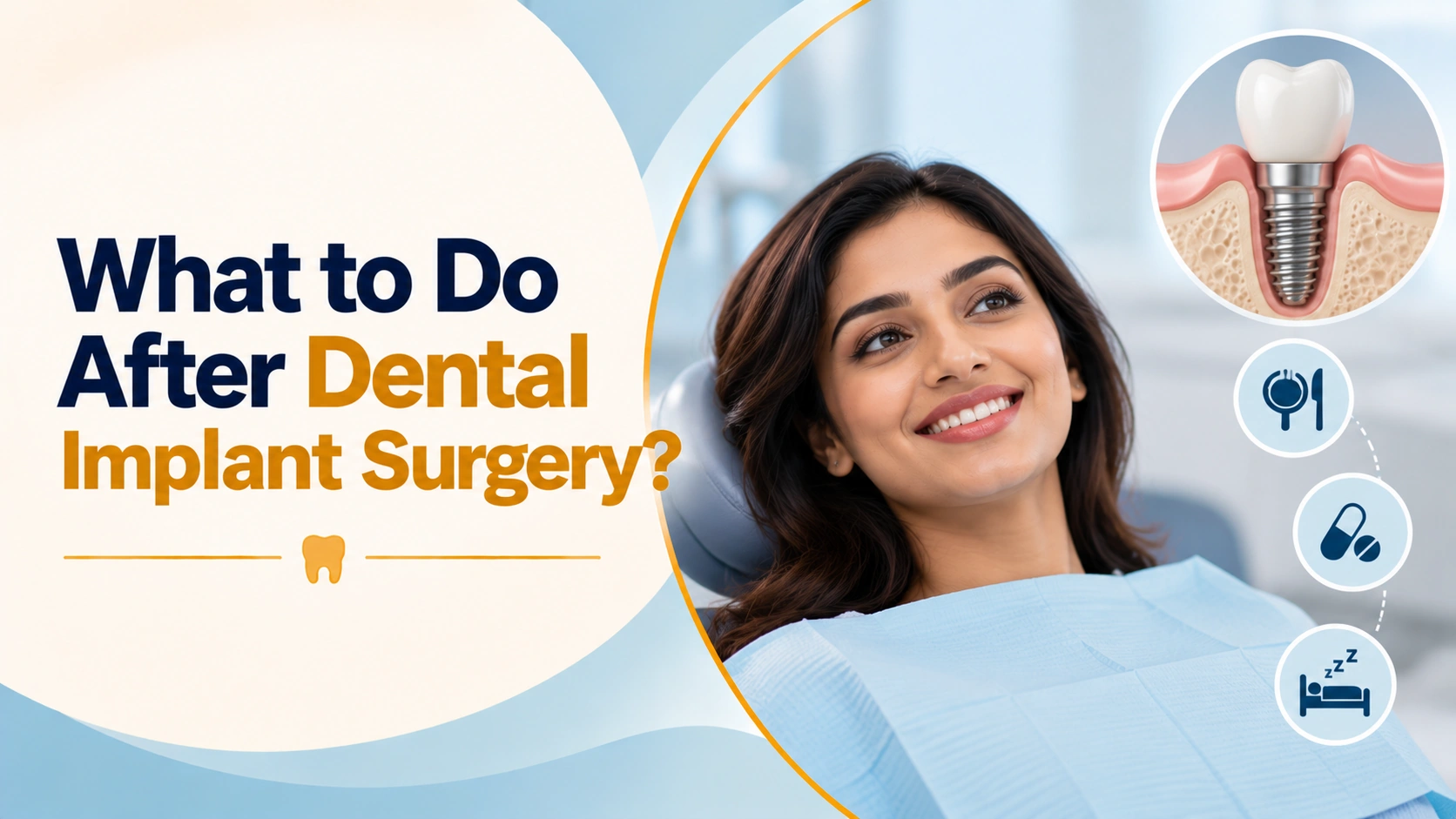
Smile Design in Vadodara Before a Wedding in India: A Veneers Timing Guide

Your wedding date is fixed and your smile is in every photograph. Veneers can transform it, but only if the calendar respects the clinical steps. Here is how to time it.

Dental · NRI Reading time: 12 minutes

Published: 12 October 2026

Your wedding is twelve weeks away and every function will be photographed. Your teeth are healthy but uneven, stained, or gappy, and whitening toothpaste has done nothing for years. A friend suggests veneers in India during your pre wedding visit. The idea is sound, but only on a calendar that respects how veneers are actually made.

Yes, smile design in Vadodara can be completed before a wedding in India when you allow 8 to 12 weeks: consultation and trial smile, tooth preparation, laboratory fabrication days, seating, and a settling buffer before the events. Veneers are thin shells bonded to the front surfaces of teeth, available in porcelain and composite with different trade-offs in stain resistance and repair. Reviews of veneer longevity track performance over many years with wide variation by case selection and follow-up. One trip suits simple cases; complex smile makeovers plan better across two visits. American Dental Association patient guide to veneers. Systematic review of porcelain veneer survival.

Can a wedding smile be finished in one India trip

Short answer: simple cases often can, full smile makeovers often should not be rushed. Six front teeth with healthy gums and a cooperative bite can move from consultation to seating within a well planned single visit when laboratory turnaround allows. Ten or more teeth, bite correction, gum reshaping, or decay that needs treatment first will not fit one short trip without cutting steps that protect the result. The honest answer comes only after examination, photographs, and X-rays, never before.

This is not pessimism about dentistry; it is arithmetic about laboratories. Veneers are custom made for your mouth, and custom work needs fabrication days between preparation and seating. A clinic that promises a full smile design in Vadodara in two sittings without seeing you is promising speed, not dentistry. Ask for the dated sequence in writing: preparation day, laboratory interval, seating day, and buffer days before the first wedding event.

  • Simple veneer cases: one well planned trip can suffice.
  • Complex smile makeovers: two trips protect the result.
  • The laboratory interval, not the chair time, sets the minimum trip length.
  • Final seating belongs at least 2 weeks before wedding events begin.

What smile design actually involves

Smile design is planning first, drilling last. The dentist studies your face, lip line, gum display, tooth proportions, shade, and bite, agrees the target look with you through photographs and a trial, and only then prepares teeth. Veneers themselves are thin shells bonded to the front surfaces of teeth. The American Dental Association explains the two main types: porcelain veneers, custom made shells noted for stain resistance, and composite veneers, tooth coloured material bonded directly, easier to repair if damaged but less resistant to stain and wear.

The standard clinical sequence runs: records and photographs, smile trial (a preview worn or shown before any drilling), minimal preparation of the front surfaces, impressions or scans, laboratory fabrication, try in, bonding, bite adjustment, and review. Preparation removes only a small amount of enamel, and the ADA notes a veneer may still chip, crack, wear, or loosen over time and need repair or replacement, which is why the review schedule matters as much as the wedding photographs. At Ekdantaay this planning sits within dental services with the dedicated smile design service page and veneers service page describing the pathway.

Who suits veneers before a wedding, and who should wait

Veneers suit stained teeth that resist whitening, small gaps, uneven edges, mild shape problems, and teeth that photograph darker than the rest. They do not suit every mouth on a deadline. Active decay, gum disease, heavy grinding without a protection plan, or a bite that needs orthodontics first all argue for delay or for a different treatment, even with a wedding approaching. A dentist who talks you out of veneers before your wedding is usually protecting you, not the schedule.

  • Good signs: healthy gums, sufficient enamel, stable bite, realistic shade expectations.
  • Pause signs: untreated decay, bleeding gums, night grinding without a guard plan, very short timeline.
  • Alternative first: orthodontic alignment where teeth need movement, not coverage.
  • The trial smile preview should delight you before any enamel is touched.

Veneers, whitening, or bonding for wedding photographs

Three treatments chase the same photographs with different tools. Professional whitening lifts stains across natural teeth and suits healthy, well shaped smiles on short timelines; our comparison of teeth bleaching versus whitening explains the options and aftercare. Composite bonding reshapes edges and closes small gaps in fewer visits but stains and wears faster than porcelain. Porcelain veneers reshape colour, shape, and alignment together with the best stain resistance of the three, at the cost of preparation, laboratory days, and review discipline.

OptionBest for wedding goalsTimeline pressure
Professional whiteningStain-led goals, healthy shapeLightest; fits short stays
Composite bondingSmall chips, edges, tiny gapsFew visits; easier repair, faster staining
Porcelain veneersShape, gap, and alignment-led goalsNeeds laboratory days plus buffer

The wedding countdown calendar for smile design in Vadodara

Count backwards from the first event with photography, not the wedding day itself. Below is a twelve week template for veneers in Vadodara; compress it only on clinical advice.

WhenWhat happensNotes for your diary
12 to 10 weeks outConsultation, photographs, X-rays, gum and bite check, written planShare wedding dates and existing dental records at this visit
10 to 8 weeks outTrial smile preview and shade agreement; any decay or gum treatment firstApprove the preview before any preparation
8 to 6 weeks outTooth preparation, scans or impressions, temporaries placedTemporaries are fragile: no hard foods, no wedding shoots on them
6 to 4 weeks outLaboratory fabrication intervalNo appointments needed; protect temporaries
4 to 3 weeks outTry in, bonding, bite adjustment, polishConfirm the bite feels even; report any high spot at once
3 to 2 weeks outSettling buffer with review visitFly or begin events only after this review clears you

The buffer fortnight is the most skipped and most valuable step: minor gum settling, bite fine tuning, and your own adjustment to the new smile all happen here, far from photographers.

Smile Makeover India: Working Backwards from the Wedding Date

A smile makeover in India that ends the day before the sangeet is a gamble, not a plan. Fix the seating date first, subtract the laboratory interval, then preparation, trial, and consultation in that order. Whatever does not fit gets a second trip, not a shortcut.

Trial smile and shade: how the look gets agreed

Never accept veneers whose final look you have not previewed. The trial smile, a mock-up worn over your teeth or shown in photographs, lets you judge length, shape, and shade in daylight and on camera before anything irreversible happens. For shade, aim for bright but believable against your skin tone and the whites of your eyes; the brightest tab on the chart photographs harshly and dates quickly. Ask to see the preview in the same lighting your photographer uses, and bring one trusted critic whose taste you share, not a committee.

  • Preview first: no preparation before you love the trial.
  • Shade for daylight and flash, not for the clinic mirror alone.
  • Photograph the trial from speaking distance, not macro range.
  • Record the agreed shade tab in your notes to carry home.

One trip or two: how to decide honestly

One trip works when the case is simple: healthy gums, no orthodontics, up to about six front teeth, and laboratory turnaround that fits your stay with buffer intact. Two trips earn their keep when the smile needs staging: alignment or gum work first, ten or more veneers, or a bite that needs testing in temporaries. The second trip then covers seating and review, often timed to a later family visit, with the wedding following the buffer rather than preceding it.

Travelling between stages on temporaries is common and manageable with rules: soft diet, no nail biting or thread cutting with front teeth, and immediate contact if one loosens. Your clinic should give these instructions in writing with a contact channel, plus the laboratory timeline for the finals. The same staging honesty governs other trip treatments in our NRI series, from full mouth implants across two trips to wisdom teeth removal timing.

After the wedding: care, reviews, and records to carry home

After seating veneers in Vadodara, boring habits decide longevity. Brush gently with a soft brush, floss or clean between teeth daily, wear the night guard if one was prescribed for grinding, and avoid using front teeth as tools. Reviews check the bond margins, gum response, and bite, catching small chips or loosening while repair is simple. Long term studies of porcelain veneers track survival across many years with results varying widely by case selection, materials, and follow-up length, which is why reviews and records matter more than any single longevity claim. Systematic review of porcelain veneer survival studies.

  • Carry home: photographs, shade record, laboratory and material notes, aftercare sheet, review schedule, contact channel.
  • Keep: the night guard habit if prescribed; grinding is the classic veneer breaker.
  • Watch for: roughness at an edge, a change in bite feel, gum bleeding around one veneer, or sensitivity that grows instead of fading.
  • Report early: small chips repair simply; ignored ones invite bigger failures.

What decides the fee for a wedding smile

Wedding smile fees follow scope: number of veneers, porcelain versus composite, laboratory work involved, any gum or decay treatment first, imaging and trial steps, and review visits. Urgency never justifies a fixed fee before examination, and a wedding date never justifies skipping the trial or the buffer. Ask for the itemised written estimate at the planning visit, with laboratory and review lines shown separately, so the fee can be judged against the calendar it must fit.

Red flags: offers to refuse before the wedding

Wedding deadlines attract shortcut sellers. The American Dental Association has publicly warned against unlicensed veneer technicians offering tooth alteration without dentist supervision, noting the structural risks to teeth, gums, and jaws. Treat any of the following as disqualifiers, however convenient the timing looks.

  • Veneers offered by anyone other than a qualified dentist, in any setting.
  • A fixed full smile promise made without examination, photographs, or X-rays.
  • No trial smile preview before preparation day.
  • No written plan with preparation date, laboratory interval, seating date, and buffer.
  • Pressure to decide on the spot because the wedding is near.

The ADA warning on unsupervised veneer providers is direct reading for anyone tempted by speed: ADA advisory on veneer technicians.

How to book smile design in Vadodara from abroad

Dental Veneers Vadodara: Your Pre-Flight Checklist

Start before you fly. When you enquire, share your wedding and travel dates, smile photographs in daylight, existing X-rays or dentist notes, and any history of grinding, sensitivity, or gum bleeding. This lets the clinic hold sensible tentative slots around the countdown above. The plan itself is confirmed only after in person examination, photographs, and imaging, which is when your veneer count, laboratory days, and seating date get fixed. Planning sits with Dr. Raj Parthdev, MDS within dental services at Ekdantaay; the smile design service page and veneers service page describe the pathway. Request dates through the contact page.

  • Send: wedding and travel dates, daylight smile photographs, X-rays, medical notes.
  • Expect day one: examination, trial planning, written sequence with dates.
  • Ask: veneer count, porcelain or composite and why, laboratory days, seating plus buffer dates.
  • Afterwards: carry the full record set home for your dentist abroad.

The one rule for wedding cases: seating date plus a two week buffer sets the last safe milestone before the events begin. Work backwards from that date, never forwards from today.

Frequently asked questions

How early before my wedding in India should smile design in Vadodara start

Allow 8 to 12 weeks: consultation and trial, preparation, laboratory days, seating, and a settling buffer with review. Shorter timelines can work for whitening or bonding, but veneer cases should not be compressed below the laboratory interval plus buffer.

Can veneers in Vadodara finish in a single India trip

Often yes for simple cases of up to about six front teeth with healthy gums: consultation, preparation, laboratory fabrication, seating, and buffer inside one well planned visit. Complex smile makeovers with alignment, gum work, or ten or more veneers plan better across two trips.

Veneers or whitening before my wedding photographs

Whitening when stains are the only complaint and tooth shape is already good; veneers when shape, gaps, or alignment also need changing. The examination decides: whitening cannot fix shape, and veneers should not be used where whitening alone would do.

What if a veneer chips during the wedding functions

Contact the clinic at once with the fragment if you have it; do not file or glue anything yourself. Temporary protection can usually be arranged fast, with definitive repair after the events. This is one more reason the buffer fortnight and a saved contact channel matter.

How long do veneers last after a smile makeover in India

Long term studies follow porcelain veneers across many years with widely varying results by case selection and follow-up, so no honest clinic quotes a fixed lifespan. Night guard wear where prescribed, reviews, and early repair of small chips are what extend service life in practice.

What records should I carry home after smile design in Vadodara

Before and after photographs, the agreed shade record, laboratory and material notes, aftercare instructions, the review schedule, and a contact channel. Any dentist abroad can continue your care from this set without guessing.

Can I combine veneers with other treatments in one trip

Sometimes: whitening before veneer shade matching is common, and gum contouring can precede preparation where indicated. Each addition needs its own healing time inside the countdown, so the combined plan must be sequenced in writing rather than stacked hopefully.

If your wedding dates are fixed, start with the countdown, not the complaint. Request smile design dates at Ekdantaay Dental and Physio Care with your travel window and daylight photographs, so Dr. Raj Parthdev, MDS and the team can tell you honestly whether smile design in Vadodara fits your visit. Related planning reading: smile design service page, veneers service page, and bleaching versus whitening.

Daily Exercise at Home for Back Pain: Safe 15 Minute Routine

A physiotherapist-guided 15 minute daily routine for back pain relief — with safe exercises, form cues, red flags, and when to visit a physiotherapist in Vadodara.

PhysiotherapyReading time: 10 minutes

Published: 9 October 2026 | Vadodara

Quick answer: The best daily exercise at home for back pain includes 5 gentle movements — knee-to-chest stretch, cat-cow, pelvic tilts, bird-dog and glute bridge. Do them for 10–15 minutes every morning. Most people feel relief within 2–3 weeks. If pain radiates to your leg, causes numbness, or lasts more than 6 weeks, see a physiotherapist in Vadodara at Ekdantaay Dental & Physio.

Why Daily Exercise Works for Back Pain

Back pain is the most common reason people visit a physiotherapist in Vadodara. 80% of adults experience it, and 90% of cases resolve with exercise and physiotherapy — not surgery.

Your spine is designed to move. When you sit for 8–10 hours at a desk (common in Vadodara's IT parks and corporate offices), the muscles supporting your spine weaken, the hip flexors tighten, and the lumbar discs lose their natural curve. Daily exercise at home for back pain reverses this by:

  • Strengthening the core muscles (transverse abdominis, multifidus) that support your spine
  • Improving blood flow to spinal discs and surrounding tissues
  • Releasing tight hip flexors and hamstrings that pull on the lower back
  • Reducing stiffness in the facet joints of the spine
  • Triggering endorphin release — your body's natural pain relievers

At Ekdantaay Dental & Physio, we see patients daily who tried to "rest" back pain away — only to make it worse. Movement is medicine.

5 Safe Daily Exercises for Back Pain at Home

These 5 back pain relief exercises are for beginners. No equipment, 10–15 minutes total, safe for mild to moderate back pain.

1. Knee-to-Chest Stretch

Target: Lower back, glutes, hip flexors

  1. Lie on your back with knees bent, feet flat on the floor
  2. Bring one knee toward your chest, holding behind the thigh
  3. Hold for 20–30 seconds, feeling a gentle stretch in the lower back
  4. Switch legs. Repeat 3 times per side

Form cue: Keep lower back pressed into the floor.

2. Cat-Cow Stretch

Target: Spinal mobility, core activation

  1. Start on hands and knees (tabletop position)
  2. Inhale — arch your back, lift your head and tailbone (cow)
  3. Exhale — round your spine, tuck your chin and pelvis (cat)
  4. Move slowly between positions for 10 repetitions

Form cue: Move with your breath.

3. Pelvic Tilts

Target: Deep core, lumbar stability

  1. Lie on your back, knees bent, feet flat
  2. Flatten your lower back against the floor by tilting your pelvis upward
  3. Hold for 5 seconds, then release
  4. Repeat 10–15 times

Form cue: Pull your belly button toward your spine.

4. Bird-Dog

Target: Core stability, balance, spinal alignment

  1. Start on hands and knees
  2. Extend your right arm forward and left leg backward simultaneously
  3. Hold for 5 seconds, keeping your back flat (no sagging)
  4. Return to start, switch sides. Repeat 8–10 times per side

Form cue: Place a book on your back — if it falls, you're sagging.

5. Glute Bridge

Target: Glutes, hamstrings, lower back support

  1. Lie on your back, knees bent, feet flat, arms at your sides
  2. Squeeze your glutes and lift your hips toward the ceiling
  3. Hold for 3–5 seconds at the top
  4. Lower slowly. Repeat 10–15 times

Form cue: Lift from the glutes, not the spine.

Also read: Neck Pain from Phones and Desks for upper back exercises.

Your 15 Minute Morning Routine

Consistency matters more than intensity. Here's a simple daily schedule:

TimeExerciseRepsNotes
0:00–2:00Cat-Cow Stretch10 slow repsWake up the spine gently
2:00–5:00Pelvic Tilts12 repsActivate deep core
5:00–8:00Knee-to-Chest3 × 30 sec per sideRelease lower back tension
8:00–11:00Bird-Dog8 per sideBuild stability
11:00–15:00Glute Bridge12 repsStrengthen posterior chain

Do this every morning. On alternate days, add a 10–15 minute walk — walking loads the spine and improves circulation.

Form Tips to Avoid Injury

  • Never push through sharp pain. Gentle stretch is fine; stabbing pain means stop.
  • Breathe normally. Holding your breath increases tension.
  • Start with fewer reps. If 10 is too many, do 5. Build up over 2 weeks.
  • Use a yoga mat. Hard floors compress the spine.
  • Keep your neck neutral. Don't crane your head forward.

Red Flags — When to Stop and See a Doctor

Stop home exercises for back pain immediately and consult a doctor or physiotherapist in Vadodara if you experience:

  • Pain radiating down one or both legs (sciatica)
  • Numbness, tingling or weakness in the legs or feet
  • Loss of bladder or bowel control (medical emergency — go to ER)
  • Severe pain that wakes you up at night
  • Fever, unexplained weight loss, or history of cancer
  • Pain that worsens after 2 weeks of daily exercise

These symptoms may indicate a herniated disc or spinal stenosis. At Ekdantaay Dental & Physio, we offer a 30-minute assessment with posture analysis and a personalised plan.

Physiotherapy for Back Pain in Vadodara

If daily exercise at home for back pain isn't enough, physiotherapy for back pain in Vadodara is highly effective. At Ekdantaay Dental & Physio, our department led by Dr. Ranakdevi Raj offers:

  • Manual therapy — joint mobilisations and soft tissue release
  • Dry needling — for trigger points in lower back and glutes
  • TENS and ultrasound therapy — pain relief and tissue healing
  • Personalised exercise prescription — progressed weekly
  • Postural training — see postural training in Vadodara
  • Home exercise program — with video demos and WhatsApp follow-ups

Physiotherapy cost in Vadodara: ₹500–₹1,200 per session. Most patients need 6–10 sessions over 4–6 weeks.

Also explore musculoskeletal conditions treatment and fitness training in Vadodara.

Home Exercises vs Clinic Physiotherapy — Which Do You Need?

Home ExercisesClinic Physiotherapy
Best forMild pain, prevention, maintenanceModerate-severe pain, post-injury, post-surgery
CostFree₹500–₹1,200/session
EquipmentNoneTENS, ultrasound, isokinetic testing
ProgressionSelf-guidedPhysiotherapist-guided weekly
Results2–4 weeks for mild relief1–2 weeks for moderate pain

Our recommendation: Start with daily exercise at home for back pain for 2 weeks. If pain persists beyond 6/10, book a physiotherapy consultation in Vadodara at Ekdantaay. Many combine both — clinic manual therapy plus home exercises.

FAQs: Daily Exercise at Home for Back Pain

How many times a day should I do back pain exercises?

Once daily is ideal — 10–15 minutes every morning. If your pain is worse in the evening, you can repeat a shorter 5-minute routine (cat-cow + pelvic tilts) before bed. Consistency matters more than frequency.

Can I do back pain exercises every day?

Yes — gentle back pain relief exercises like the 5 listed above are safe for daily practice. They are low-impact and designed to be done regularly. However, if any exercise increases your pain, stop and consult a physiotherapist in Vadodara.

What is the fastest way to relieve back pain at home?

The fastest relief comes from combining gentle movement (cat-cow, pelvic tilts) with heat therapy (hot water bottle for 15 minutes) and avoiding prolonged sitting. For persistent pain, physiotherapy for back pain in Vadodara at Ekdantaay provides faster, targeted relief.

When should I see a physiotherapist instead of exercising at home?

See a physiotherapist in Vadodara if: pain lasts more than 2 weeks, radiates to your leg, causes numbness, or limits daily activities. At Ekdantaay Dental & Physio, we assess your spine, identify the root cause and create a personalised plan — combining manual therapy with the right home exercises for back pain.

Is walking good for back pain?

Yes — walking is one of the most evidence-based back pain relief exercises. It gently loads the spine, improves circulation and prevents stiffness. Aim for 20–30 minutes of brisk walking daily, with good posture and supportive footwear.

Are you finding the best physio clinic in Vadodara for back pain? Connect with Ekdantaay Dental & Physio — our physiotherapy department led by Dr. Ranakdevi Raj offers personalised back pain treatment, manual therapy and home exercise programs. Book a consultation in Vadodara today. Explore our physiotherapy services, postural training and fitness training pages.

Root Canal Treatment in Vadodara on a Short Trip: Can It Finish Before You Fly?

You land with ten days in hand and a tooth that throbs at night. The question is not whether root canals work, but whether yours can finish inside your visit.

Dental · NRI Reading time: 11 minutes

Published: 8 October 2026

Your trip home is fixed: ten days, a family wedding, and a molar that has started waking you at night. A dentist abroad quoted a root canal with a waiting list longer than your stay. The temptation is to finish everything in Vadodara between functions. Sometimes that works beautifully. Sometimes it needs more time than you hold.

A root canal treatment in Vadodara can finish inside a short trip when the case is straightforward: a vital or mildly affected tooth often completes in one or two sittings. Active infection with swelling, complex molar anatomy, or retreatment usually needs more visits, and the protective crown needs laboratory days after the canal is sealed. Systematic reviews find healing comparable between single visit and multiple visit protocols overall, with some analyses noting higher complication risk for single visit approaches. Plan the trip around the crown date plus buffer days, not around the first sitting. NHS on root canal procedure and appointments. Systematic review of single visit versus multiple visit root canal treatment. Review on single visit advantages and complication risk.

So, can it finish before you fly

Short answer: many cases can, some cannot, and the difference is decided by diagnosis, not desire. A front tooth with a live nerve and a clear canal is the classic one sitting case. A molar with a draining abscess, curved roots, or a previously failed root canal is a multi sitting case, because disinfection and settling take repeated visits. No honest clinic commits to a sitting count before examining you and seeing imaging, so treat any fixed promise made sight unseen as a warning sign rather than good service.

The evidence behind this caution is reassuring in both directions. A systematic review of single visit versus multiple visit root canal treatment found the two approaches broadly comparable on healing, while a further review noted single visit protocols carry some advantages but may increase complication risk. In plain terms: fewer sittings do not mean worse healing, but they are not automatically safer either, which is exactly why the decision belongs to clinical findings rather than your flight date. Systematic review of single versus multiple visit outcomes. Review on single visit benefits and risks.

  • Straightforward cases: often 1 to 2 sittings for the canal itself.
  • Infected or complex cases: several sittings plus a settling period.
  • The crown adds laboratory days on top of the canal sittings.
  • Buffer days before flying are part of the plan, not spare time.

What a root canal visit actually involves

Root canal treatment removes infection from inside the tooth, then cleans, shapes, fills, and seals it so infection does not return. The NHS describes the standard sequence: local anaesthetic keeps the tooth numb, the dentist opens the tooth, removes the infected pulp and drains any abscess, cleans and shapes the canals, then fills and seals the tooth. A temporary filling may sit between appointments, and appointments commonly run 1 to 2 hours. The NHS notes treatment usually takes 2 or more appointments, which is the baseline expectation you should carry into trip planning even when hoping for fewer.

Each step answers a question about your trip. Opening and cleaning decide the sitting count. Sealing decides when the tooth is safe. The crown, covered below, decides when you can fly without a fragile temporary. Understanding this chain is what turns a vague hope of finishing fast into a plan with dates.

Single sitting or multiple: what decides it

Four findings push a case toward one sitting, and four push it toward several. Your dentist reads these off the examination and the X-ray at the first visit, which is why day one of your trip is diagnostic before it is anything else.

Favours fewer sittingsFavours more sittings
Vital tooth, no swelling, no draining sinusActive infection, swelling, or pus discharge
Front tooth or premolar with straight canalsMolar with curved, narrow, or extra canals
No prior root canal on this toothRetreatment of a previously filled canal
Tooth already crowned and accessible, or easily isolatedCracked tooth needing assessment over time

Neither column is a verdict on its own; they combine. A molar can still finish quickly when canals are accessible and infection is quiet, while a front tooth with an active abscess can need settling visits first. Reviews comparing the two protocols across many trials found no overall healing advantage for either approach, with single visit showing some benefits but possibly more complications, so the sitting count should follow the tooth, not the timetable. For a single visit root canal to stay safe, case selection must be strict: quiet tissues, accessible anatomy, and enough appointment length to finish cleaning and sealing properly. Single versus multiple visit healing comparison.

Why the crown decides your flight date

After a root canal, the tooth is weaker than before, especially a back tooth that takes chewing load. The NHS notes a crown, a cap covering the whole tooth, is often needed when the tooth was badly infected. The crown needs impressions or scans, laboratory fabrication days, then a fitting visit with bite adjustment. This laboratory interval, not the canal sittings, is what most travellers underestimate: the canal may finish on day three while the permanent crown seats on day seven.

  • Flying on a temporary filling is sometimes unavoidable, but it is a compromise: temporaries can wear, leak, or dislodge, and a lost temporary far from your dentist becomes its own emergency.
  • Back teeth almost always need the crown; front teeth are judged case by case.
  • Bite adjustment at fitting matters: a high crown bruises the ligament and mimics failed treatment pain.
  • Ask for the crown seating date in writing before you book return flights around it.

A realistic trip calendar for root canal treatment in Vadodara

Below is a ten day template for a single tooth root canal in Vadodara with a crown. Shorten it only on clinical advice, never on optimism. Every date below assumes the diagnosis from day one supports it. If you are planning root canal treatment in India around a short visit, share this template with the clinic when you enquire so slots can be held in the right order.

DayWhat happensNotes for your diary
Day 1Consultation, tests, imaging, written plan with sitting countShare flight dates and existing X-rays at this visit
Day 2 to 3Canal sittings: cleaning, shaping, sealingTemporary filling if staged; note soreness levels
Day 4 to 6Settling plus crown preparation and scan or impressionLaboratory interval starts; keep the tooth protected
Day 7 to 8Crown fitting, bite adjustment, final reviewConfirm the bite feels even before leaving
Day 9 to 10Buffer: no appointments unless review neededFly with soreness settled and contacts saved

If your stay is shorter than the template, say so on day one. Options include prioritising the canal and seating the crown only if laboratory turnaround allows, or staging treatment across two trips. What should never happen is compressing settling time to zero: soreness that is still rising on flight day is a review case, not a travel companion. For readers comparing tooth replacement timelines on the same trip, the crown, bridge or implant one visit comparison lays out which options genuinely fit tight windows.

What must finish here versus what can wait

Draw the line in the right place and a short trip stays safe. Cleaning and sealing the canal must finish in Vadodara; an open or half cleaned tooth must never travel. The permanent crown should finish here whenever laboratory time allows, because it protects the investment the canal represents. Routine reviews, gentle bite settling checks, and cleaning can continue with your regular dentist after you return, provided you carry proper records.

  • Must finish here: diagnosis, canal cleaning and sealing, crown seating wherever possible.
  • Can continue at home: routine reviews, cleaning, monitoring of the settled tooth.
  • Carry home: X-rays before and after, treatment notes with the materials used, the crown details, aftercare instructions, and a contact channel for questions.
  • Fix before flying: who to message with what symptom, and what your dentist abroad should receive if you need care there.

This records habit also protects any future implant conversation: our guide on checking a dentist and implant system applies the same documentation discipline to surgical planning.

Flying home after a root canal: what to expect

Most people fly comfortably a few days after the final sitting, once soreness has peaked and faded. Expect mild tenderness to biting and temperature for several days; the NHS advises simple painkillers if needed, protecting the mouth from knocks, attending follow ups, and keeping up check ups. Carry any prescribed medicines in hand luggage with the prescription, eat soft foods on travel day, and avoid testing the new crown on the hardest item in the airport food court.

Cabin pressure does not damage a properly sealed root canal, but an incompletely treated or inflamed tooth can ache more at altitude, which is another reason the buffer days matter: they let any brewing problem declare itself while your treating dentist is still nearby. If pain spikes mid trip, contact the clinic the same day rather than waiting for the flight home.

What decides the fee on a short trip

Short trip cases are priced like any root canal treatment in Vadodara: by tooth position, sitting count, imaging, the crown and its laboratory work, and review visits. Urgency itself should not inflate the clinical fee, though tight scheduling may limit which appointment lengths are available. Ask for the itemised written estimate at the day one consultation, with the crown line shown separately from the canal lines, so you can see exactly what must be paid before flying and what, if anything, continues later. No responsible clinic fixes a fee before examining you, and trip pressure never justifies skipping that step.

When extraction and an implant fit a short trip better

Sometimes the honest answer is that the tooth should not be saved: vertical cracks through the root, unrestorable breakdown below gum level, or bone loss that condemns the prognosis. In those cases an extraction with planned replacement can fit a short trip better than heroic endodontics that fails abroad. Implants on tight timelines have their own constraints around healing and crowns, compared in the one visit tooth replacement guide, and provider verification follows the seven implant dentist checks. A clinic that offers extraction where a root canal could work, or a root canal where extraction is indicated, is telling you about itself, not about your tooth.

How to book a root canal in Vadodara from abroad

Start before you fly. When you enquire, share your travel dates, symptoms and their timeline, any X-rays or dentist notes you already hold, and medicines or conditions that affect dental care. This lets the clinic hold sensible tentative slots around the calendar above. The treatment plan itself is confirmed only after in person examination and imaging on day one, which is when your sitting count, crown date, and buffer days get fixed. Assessment led dental services at Ekdantaay and the root canal treatment service page describe the pathway, and Dr. Raj Parthdev, MDS leads planning. Request dates through the contact page.

  • Send: travel dates, symptom history, existing X-rays, medical notes.
  • Expect day one: examination, imaging, written plan with sitting count and crown date.
  • Ask: single sitting or staged, crown laboratory days, buffer advice, records to carry home.
  • Afterwards: keep reviews and carry documentation for your dentist abroad.

The one rule for trip cases: the crown seating date plus two buffer days sets the earliest safe flight, not the first pain free morning. Plan backwards from that date.

Frequently asked questions

Can a root canal treatment in Vadodara finish in a single visit

Sometimes. Straightforward vital cases often complete in one sitting, while infected molars and retreatments usually need several. Reviews find healing comparable between single and multiple visit protocols overall, so the sitting count should follow the diagnosis. Your dentist fixes the number only after examination and imaging.

How many days should I keep free in Vadodara for a root canal

For a single tooth with a crown, keep around ten days: consultation and imaging, canal sittings, laboratory days for the crown, fitting with bite adjustment, and buffer days before flying. Shorter stays can still work for simpler cases without crowns, decided on day one.

Will I get the permanent crown in the same trip

Usually yes when the stay allows laboratory turnaround, which is why the crown date anchors the whole calendar. If time runs out, discuss the compromise explicitly: travelling on a temporary carries real risk and needs a protection plan.

Can I fly the day after my root canal

You can, but you should not plan to. Soreness peaks over the first days, and altitude can aggravate an unsettled tooth. Keep at least two buffer days after the last appointment so problems surface while your dentist is reachable.

What records should I carry home after root canal treatment in Vadodara

Before and after X-rays, treatment notes with materials used, crown details, aftercare instructions, and a contact channel. These let any dentist abroad continue your care without guessing.

What if tooth pain starts after I return abroad

Contact the treating clinic first with your records to hand, and see a local dentist promptly for swelling, fever, spreading pain, or a lost crown or temporary. Message early: small post treatment issues stay small when caught fast.

Root canal or extraction when my trip is very short

Save the tooth whenever prognosis genuinely allows it; a root canal that fits the window beats an extraction rushed for schedule. Where the tooth is unrestorable, extraction with planned replacement may fit better. The deciding factor is always the tooth, judged on imaging, never the calendar alone.

If your trip dates are already fixed, start with the calendar, not the complaint. Request root canal treatment dates at Ekdantaay Dental and Physio Care with your travel window and existing X-rays, so Dr. Raj Parthdev, MDS and the team can tell you honestly whether a root canal treatment in Vadodara fits your visit. Related planning reading: wisdom teeth removal timing, one visit tooth replacement, and the root canal treatment service page.

Neck Pain from Phones and Desks: Why It Happens and How to Fix It Daily

Your neck aches by evening, your shoulders feel locked, and turning your head hurts. If screens fill your day, the cause is usually familiar. So is the fix.

Physio Reading time: 12 minutes

Published: 8 October 2026

Your neck feels fine in the morning. By evening it aches, your shoulders sit near your ears, and checking your blind spot while driving feels risky. Phones and desks did not injure you in a single moment. They loaded the same tissues, in the same position, for thousands of hours.

Yes, prolonged phone and desk use is among the most common drivers of neck pain: the head drifts forward, the shoulders round, and the neck, shoulder, and shoulder blade muscles fatigue under sustained load. The NHS lists bad desk posture among the top causes of neck pain and advises keeping the neck moving with flexibility exercises rather than bracing it still. A Cochrane review supports neck and shoulder strengthening for chronic neck pain, and a 2023 meta-analysis found exercise probably halves the risk of a new episode in office workers within a year. NHS guidance on neck pain. Cochrane review of exercise for neck pain. Meta-analysis on preventing neck pain episodes in workers.

Can phone and desk habits really cause neck pain

Short answer: they are among the most common contributors, though rarely the sole cause. The NHS names bad posture, such as sitting at a desk for a long time, alongside awkward sleeping positions, pinched nerves, and injuries like whiplash as the leading causes of neck pain. Heavy screen users add a second layer: the head held forward over a phone, repeated thousands of times a day, keeps the same small muscles loaded while the deep stabilisers at the front of the neck stay quiet. A 2026 systematic review of screen related musculoskeletal problems found physiotherapy programmes built on cervical stabilisation, scapular strengthening, and postural retraining consistently linked with less neck and shoulder pain and better alignment in young heavy screen users. Systematic review on physiotherapy for screen related neck and shoulder dysfunction.

That does not mean your posture alone explains your pain. Sleep, stress, general activity, prior episodes, and other health conditions all shape symptoms, which is why this article pairs exercises with habit changes and clear referral rules instead of blaming one angle of your spine. Reviews of workplace programmes reach the same practical conclusion: exercise based approaches show the most consistent benefits for musculoskeletal pain, especially combined with education and movement variety across the day.

  • Think in hours, not angles: total time in one posture matters more than finding a perfect position.
  • Pair movement with breaks: short frequent interruptions beat one long evening session.
  • Track two things: pain during the session and how you feel one hour later.
  • Keep the neck moving gently through the day; prolonged bracing and collars are discouraged unless a doctor advises them.

What exactly happens in the neck during screen hours

Hold your phone low and your head follows it: chin forward, upper back rounded, shoulders rolled in. In this shape, the muscles at the back of the neck and across the top of the shoulders hold your head up at a mechanical disadvantage for hours, while the deep flexor muscles at the front of the neck, which should share the work, stay underused. Over weeks this pattern shows up as stiffness turning the head, aching between the shoulder blades, tension headaches that start at the skull base, and tingling tiredness in the arms after long days.

The pattern has a popular name, tech neck, which is a description of this forward head, rounded shoulder posture rather than a formal diagnosis. What matters clinically is not the label but the load: sustained static work fatigues postural muscles, irritates sensitive neck structures, and reduces your tolerance for the position. Movement reverses each of these, which is why every credible guideline puts active exercise ahead of passive rest. You can read how assessment led care addresses such patterns in physiotherapy at Ekdantaay and in musculoskeletal conditions treatment.

Simple rule used in this routine: effort should feel like work, never like harm. Keep pain during any repetition mild and settling within about an hour. Pain that spreads down the arm, worsens with every set, or lingers into the next day means the dose was too high.

Which daily habits feed the problem

Most screen necks are built from ordinary habits, each harmless alone and punishing together. Check yourself against this list before adding exercises, because an unaddressed habit can undo good training.

  • Phone held at lap or chest height, pulling the head down for hours of scrolling and messaging.
  • Laptop used on a low table or bed, so the neck bends down to meet the screen instead of the screen rising to meet the eyes.
  • Single posture afternoons: two or three hour stretches without standing, walking, or changing position.
  • Shoulders held high with tension while typing or mousing, loading the upper trapezius all day.
  • Sleeping on the front or on a high stack of pillows, which twists or extends the neck all night. The NHS advises keeping the head level with the body and avoiding front sleeping.
  • Cradling the phone between ear and shoulder during long calls instead of using speaker or earphones.
  • Evening couch slump after a desk day: a second static shift for already tired neck muscles.

You do not need to fix all seven today. Pick the two that match your day, change those this week, and let the exercises below do the rest. Readers whose main trouble sits lower, in the low back rather than the neck, will get more from our daily home routine for back pain.

Which exercises help a stiff screen neck

The seven movements below need no equipment beyond a doorway and a chair. They emphasise exactly what the evidence favours: neck and shoulder blade strengthening plus gentle mobility, since reviews find stretching alone does little on its own. Technique cues follow standard patient exercise sets, and the strengthening emphasis follows the Cochrane findings on neck and shoulder region strengthening. Move slowly, breathe normally, and stop any movement that provokes sharp, shooting, or electric pain.

1. Chin tucks (sitting or standing)

Sit tall, look straight ahead, and glide your chin straight back, as if making a double chin. Hold about 5 seconds, release, repeat. This wakes the deep flexors at the front of the neck that go quiet during screen hours. Try 10 repetitions, 2 sets, spread through the day.

  • Best for: forward head posture, base of skull headaches.
  • Keep: eyes level, movement small and straight back, not down.
  • Avoid: tipping the head up or down, or pushing with your hand.

2. Deep neck flexor holds (lying)

Lie on your back without a pillow, or on a thin one. Tuck the chin slightly toward the chest and lift the head barely off the surface, hold 5 seconds, and lower slowly. This is the same muscle group as chin tucks, trained against light gravity. Start with 5 holds of 5 seconds, rest fully between efforts.

  • Best for: neck endurance that supports long desk days.
  • Keep: jaw relaxed, large surface muscles soft.
  • Avoid: lifting high, holding your breath, or straining.

3. Scapular sets (sitting)

Sit tall with arms relaxed. Gently draw both shoulder blades down and together, as if sliding them into back pockets. Hold 5 seconds, release fully. Shoulder blade control is central to the strengthening programmes that reviews link with less neck pain, since the shoulder girdle anchors the neck. Try 10 repetitions, 2 to 3 sets daily.

  • Best for: aching between the shoulder blades, rounded shoulders.
  • Keep: shoulders down away from the ears, ribs quiet.
  • Avoid: shrugging upward or arching the low back.

4. Doorway chest stretch (standing)

Place forearms on either side of a doorway, step one foot through until you feel a gentle stretch across the chest and front shoulders, hold about 20 seconds, and repeat 3 times. Tight chest muscles drag the shoulders forward all day; releasing them lets the scapular work above hold its gains.

  • Best for: rounded shoulders, tight chest after desk work.
  • Keep: stretch gentle, breathing steady, ribs down.
  • Avoid: forcing the stretch or letting the low back arch.

5. Upper trapezius stretch (sitting)

Sit on one hand to anchor the shoulder. Tilt the opposite ear toward the opposite shoulder until a gentle stretch runs down the side of the neck. Hold 20 seconds per side, 3 rounds. This eases the overworked top of shoulder muscle without aggressive pulling.

  • Best for: one sided neck tightness, end of day stiffness.
  • Keep: stretch mild, shoulder anchored down.
  • Avoid: yanking the head, rotating while stretched.

6. Shoulder rolls with squeeze (standing)

Roll both shoulders slowly backward in big circles, 10 times, finishing each circle with a one second squeeze of the blades together. Then reverse direction for 5 easy circles. This restores movement variety to a girdle that has sat still for hours.

  • Best for: midday reset between long sitting blocks.
  • Keep: slow circles, full range, relaxed jaw.
  • Avoid: fast windmilling or hitching the shoulders to the ears.

7. Brisk walking plus break discipline

Finish with a 5 to 10 minute walk, arms swinging naturally. More importantly, set the day rule behind it: stand and move for 2 to 3 minutes every 30 minutes of desk or phone time. Reviews of office worker programmes find exercise based approaches the most consistent winners for musculoskeletal pain, and regular breaks are the delivery system that makes the dose possible.

  • Best for: general conditioning and breaking static loading.
  • Keep: comfortable pace, upright but relaxed posture.
  • Avoid: saving all movement for one heroic evening workout.
ExerciseStart doseEffort cue
Chin tucks10 reps, 2 setsGlide back, hold 5 seconds
Deep neck flexor holds5 holds of 5 secondsBarely lift, jaw soft
Scapular sets10 reps, 2 to 3 setsBlades down and together
Doorway chest stretch20 seconds, 3 roundsGentle, ribs down
Upper trapezius stretch20 seconds per side, 3 roundsMild stretch, no yanking
Shoulder rolls10 back, 5 forwardSlow, full circles
Walk plus breaks5 to 10 minutes, breaks every 30 minutesEasy pace, regular interruptions

How do you build a 12 minute daily routine

Order runs from activation to mobility to general movement. Total time is about 12 minutes plus the walking breaks spread through your day.

  1. Minutes 0 to 4, activation: chin tucks, then deep neck flexor holds, then scapular sets. Rest 20 to 30 seconds between movements.
  2. Minutes 4 to 9, mobility: doorway chest stretch, then upper trapezius stretch both sides, then shoulder rolls.
  3. Minutes 9 to 12, walk: easy indoor or outdoor walk, shoulders loose, jaw unclenched.
  4. All day, breaks: stand, roll the shoulders, look into the distance for 30 seconds every 30 minutes of screen time.

Keep a simple diary for two weeks: date, minutes done, pain during (0 to 10), pain one hour later, sleep quality. If pain one hour later keeps rising week on week, halve the sets before adding anything new. If desk posture drives your symptoms, structured guidance from postural training can personalise the same building blocks, and musculoskeletal assessment explains what a first visit covers.

WeekDaily timeWhat changesExample
Week 18 to 10 minutesLearn form, smallest effort1 set of each, walk 5 minutes
Week 2About 12 minutesAdd second set to chin tucks and scapular setsFull sequence above
Week 312 to 15 minutesLengthen holds, not range8 second holds on tucks and flexors
Week 412 to 15 minutesTighten break disciplineStrict 30 minute break rule all workdays

What desk and phone habits actually help

An honest note first: workstation gadgets alone have weak evidence as pain treatments, which is why this article leads with exercise. What the setup can do is reduce the daily load and make good habits easy. Treat the desk as load management, not therapy.

  • Raise the screen: laptop on a stand or books with a separate keyboard, so the top of the screen sits near eye level and the neck stays neutral.
  • Hold the phone higher: bring the screen toward face height for long reads and calls, instead of folding the head down to the lap.
  • Use speaker or earphones for long calls: never cradle the phone between ear and shoulder.
  • Support the low back lightly so the upper back and neck do not collapse forward within the hour.
  • Keep mouse and keyboard close so the shoulders stay down and the elbows rest near the body.
  • Set one timer: 30 minutes of screen time, then stand, walk, and roll the shoulders before sitting again.
  • Fix the night shift: head level with the body, firm supportive surface, and no front sleeping, in line with NHS prevention advice.

Expect comfort gains from these changes within days and tissue level change over weeks of combined exercise. Anyone promising an overnight cure from a chair or a pillow is selling furniture, not recovery.

When should you stop an exercise and seek care

Stop the specific movement, not necessarily the whole routine, when the left column occurs. Seek prompt clinical advice for anything in the right column. The NHS advises seeing a GP when neck pain does not settle within a few weeks, painkillers have not helped, you are worried, or new symptoms such as pins and needles or a cold arm appear.

Stop that exercise for todaySeek prompt or urgent care
Sharp pain that rises with each repetitionNew arm weakness, hand clumsiness, or dropping objects
Shooting pain, spreading numbness, or electric sensationsWorsening numbness, or a cold, pale, or swollen arm
Dizziness, nausea, visual change, or feeling faintFever with neck pain, or unexplained weight loss
Pain clearly worse one hour laterPain after major trauma, a road accident, or a hard fall
Headache that spikes with the movementNew walking or balance difficulty, or bladder or bowel changes

This list screens for safety; it does not diagnose. When in doubt, pause the routine and speak to your doctor or physiotherapist the same day, bringing your two week diary, medicine list, and any imaging summaries you already hold.

When should you visit a physiotherapist in Vadodara

Home care covers the mild middle well. Book an assessment when neck pain lasts beyond 2 to 3 weeks despite regular easy movement, when headaches keep starting from the neck, when arm symptoms appear, when sleep or work keeps suffering, or when episodes keep returning despite good habits. At Ekdantaay, assessment led physiotherapy in Gotri, Vadodara starts with history, movement testing, and goal setting, then sets exercise dose, hands on care where suitable, and review points. Related pathways include musculoskeletal care for neck and shoulder pain and postural training for desk driven patterns. Request a visit through the contact page or read about the treating clinician on Dr. Ranakdevi Raj, Physiotherapist.

  • Bring: prior prescriptions, imaging summaries if any, medicine list, and your exercise diary.
  • Expect: questions about onset, screen hours, sleep posture, arm symptoms, and prior episodes.
  • Ask: which two exercises matter most for you, what dose this week, and what triggers a plan change.
  • Afterwards: keep the home routine going between visits; clinic sessions guide the plan, daily movement carries it.

A note on what this article does not do: it does not diagnose your pain, it does not replace an examination, and it does not promise a fixed result or time frame. It gives a careful starting point plus clear rules for when individual care is needed.

Frequently asked questions

What is tech neck exactly

Tech neck describes the forward head, rounded shoulder posture built by long phone and desk hours, and the neck and shoulder blade fatigue that comes with it. It is a working description, not a formal diagnosis, and it responds to the same exercise and habit programme as other mechanical neck pain.

Can neck pain from desks go away on its own

Mild episodes often settle within days to a few weeks as movement returns to normal. The NHS notes most neck pain lasts only a few weeks. If pain persists beyond that window, keeps recurring, or brings arm symptoms, get assessed instead of waiting longer.

Are neck cracking or self manipulation safe

Occasional gentle movement that relieves stiffness is different from forceful self cracking, which can irritate joints and surrounding tissue. Stick to the controlled exercises above; leave forceful techniques to qualified hands after assessment.

Which pillow is best for neck pain

No single pillow suits every sleeper. The NHS advises a low firm pillow that keeps the head level with the body, a firm mattress, and avoiding front sleeping. Change position before changing pillows.

How long before this routine shows results

Many people notice easier evenings within 1 to 2 weeks of regular easy practice. Strengthening driven change builds over 6 to 8 weeks. If there is no meaningful change after 2 to 3 weeks, or function keeps declining, get an assessment rather than adding volume.

Can I do this routine alongside clinic physiotherapy

Yes, and tell your physiotherapist you are doing it. Bring the article or your diary so the clinician can adjust dose, remove what does not suit you, and keep what helps. If you are a patient at Ekdantaay, the team can align this starter with your plan. See physiotherapy services and booking.

If neck pain keeps limiting your days despite two steady weeks of this routine, get assessed in person. Book a physiotherapy assessment at Ekdantaay Dental and Physio Care and bring your exercise diary so Dr. Ranakdevi Raj, Physiotherapist and the team can set the right next dose. For related care pathways, see musculoskeletal treatment and postural training. Readers with low back trouble alongside neck pain can also use our daily home routine for back pain.

What Decides Dental Implant Cost in Vadodara? 7 Factors Your Quote Depends On

Two clinics can quote very different fees for what sounds like the same implant. The quotes usually describe different treatments. Here is what actually moves the number.

Dental Reading time: 12 minutes

Published: 5 October 2026

You visit two clinics about one missing tooth. The first quote feels manageable. The second is far higher. Both say the word implant, so the difference looks like overcharging. In most cases it is not.

Dental implant cost in Vadodara varies because each quote reflects a different clinical scope: the number of implants, whether bone grafting or sinus work is needed, the imaging and digital planning used, the implant system, the type of crown or bridge on top, and what aftercare is included. Research reviews confirm that bone shortage frequently complicates implant placement and that digital planning workflows carry higher planning effort than conventional ones. The only fair comparison is between itemised written estimates built on the same diagnosis. Cochrane review on bone and sinus augmentation for implants. Systematic review on time and costs in computer-guided implant workflows.

Why is there no single fixed implant price

An implant is not a product taken off a shelf. It is a small treatment plan with several billable parts: diagnosis and imaging, the surgical visit, the connector piece called the abutment, the visible crown or bridge, and the review visits after. Change any one part and the total moves. A straightforward single implant in healthy bone and a full arch rebuild with grafting share almost nothing except the word implant, so a single fixed price for both would be meaningless.

Published reviews of implant health economics reach a consistent conclusion at a general level: implants tend to compare well over the long term against repeated conventional work such as bridges and dentures, even though the starting outlay is higher, because the comparison includes maintenance and redo costs over years rather than the first bill alone. That long view is exactly how you should read competing quotes: fee today plus likely care tomorrow. Literature review on the health economics of dental implants.

  • Think in scopes, not stickers: ask what treatment each fee actually buys.
  • Expect the fee to follow the diagnosis, which is why no responsible clinic fixes a fee before imaging.
  • Keep every quote in writing, itemised, so scopes can be compared line by line.
  • Separate the clinical decision (what your mouth needs) from the commercial decision (which quote to accept).

How many teeth are involved, and how many implants does that mean

The first driver is simply scale. One missing tooth usually means one implant and one crown. Several missing teeth may mean several implants, or fewer implants carrying a bridge between them. A full arch may be carried by a small number of strategically placed implants supporting a fixed bridge, a design widely described in the implant literature for edentulous jaws. Each additional surgical site, component, and restoration step adds to the plan, so the gap between a single tooth quote and a multi tooth quote is structural, not padding.

This is also where cross clinic quotes diverge silently. One clinic may quote implants for every gap while another plans a bridge on fewer implants. Both can be legitimate, but they are different treatments at different fees, and only the written plan reveals which you were offered. If you are weighing a missing tooth against your trip schedule, the comparison of crown, bridge or implant for a single visit explains the time logic; for full arch thinking, see how a two trip full mouth plan works.

SituationWhat the plan usually involvesWhy the fee moves
One missing toothOne implant plus one crownSmallest scope; baseline for comparison
Several missing teethMultiple implants, or fewer implants with a bridgeComponent count and restoration design differ
Full archA small number of implants carrying a fixed bridge or overdentureLargest scope; planning and prosthetic work dominate

Does your bone support an implant as it is

Bone volume is the factor patients least expect and the one that most often changes a quote. An implant needs enough living bone around it to hold it firmly. Where teeth have been missing for a long time, or where the sinus cavity sits close above the upper jaw, bone can be too thin, and the plan then needs an added step such as grafting or sinus floor work before or alongside placement. A Cochrane review of sinus and bone augmentation for implants describes insufficient bone as a common problem in implant rehabilitation and compares augmentation techniques across trials, which is precisely why two mouths with the same missing tooth can receive very different plans.

A related Cochrane review of horizontal and vertical bone augmentation found that various techniques can rebuild bone for implants while noting that complications, especially for vertical rebuilding, are frequent and that it remains unclear which technique is most efficient. The practical reading for your quote: grafting lines are not extras added for effect; they reflect anatomy found on imaging, and a quote without them either means your bone is sufficient or your bone was never properly assessed. Ask which one it is.

  • Bone is assessed on scans, not by looking: grafting decisions come from imaging measurements.
  • Upper back teeth deserve special attention, since sinus position often limits bone there.
  • Grafting adds healing time as well as fee, which also affects visit planning.
  • A quote that skips imaging yet promises a fixed fee deserves a second opinion, not a signature.

What imaging and planning sit behind the quote

Modern implant planning often uses three dimensional scans and software planning, sometimes with a printed surgical guide that transfers the plan to the surgery. This workflow takes more diagnostic and planning effort than conventional freehand placement. A systematic review comparing computer assisted and conventional implant workflows concluded that diagnostic and planning effort runs higher in the digital workflow, with planning time as the driving economic factor. When one clinic scans, plans digitally, and guides surgery while another works freehand from a standard X-ray, part of the fee gap is that planning labour.

Planning quality is also what makes complex cases predictable, which is why experienced clinics insist on it rather than offering it as an optional extra. The same logic applies when you check a provider from afar: our guide on checking a dentist and implant system before you fly lists planning transparency among the core verification checks, and the seven checks for choosing an implant dentist in Vadodara put planning and imaging at the centre of provider selection.

Planning elementWhat it isHow it affects the quote
Clinical examination and recordsHistory, gum and bite assessment, models or scans of the archBaseline; included in most consultations
Three dimensional imagingBone height, width, and nerve or sinus positions measured on scanSeparates assumed plans from measured ones
Software planning and guidesVirtual placement transferred to surgery by guideHigher planning effort, steadier execution

What will sit on top of the implant

Patients compare the metal implant. Clinics price the whole stack: implant fixture, abutment, and the visible restoration. A single crown, a multi tooth bridge, and a removable overdenture are different laboratory and chairside workloads with different review needs. The restoration material and design, the number of try in and fitting visits, and the adjustment protocol after fitting all sit inside this layer of the fee.

  • Ask what restoration is planned: crown, bridge, or overdenture, and why that design suits your bite.
  • Ask how many fitting and review visits the restoration includes.
  • Ask what happens if the bite needs adjustment after fitting: is refinement included or billed separately.
  • Keep the restoration warranty and the clinic review schedule in the same written document as the fee.

Which implant system is quoted, and who plans the case

Implant systems differ by manufacturer, surface, and component range, and clinics standardise on the systems they know best. There is no universally best system for every mouth, which is why the honest question is not which brand is finest but which system your clinic uses routinely, why it suits your case, and whether components will still be available years later for maintenance. Transparency here is a quality signal: a clinic that names the system, shows it in the written plan, and explains the choice is easier to trust than one that keeps it vague.

Planning ownership matters as much as hardware. Implant treatment should be planned by an experienced dental team after full records, with the surgical, restorative, and review responsibilities assigned to named people. At Ekdantaay, implant planning sits within dental services under Dr. Raj Parthdev, MDS, and the detailed dental implants service page describes the assessment led pathway.

Three questions that reveal quote quality: Which implant system is in my written plan and why this one for my bone? What imaging was the plan built on? Who handles my reviews and for how long? Vague answers to any of these are worth more attention than the bottom line figure.

What exactly is included in the estimate

Two quotes can differ purely because one bundles and the other splits. A complete estimate lists consultation, imaging, the surgical visit including any grafting, the abutment, the crown or bridge and its laboratory work, medicines and instructions, and the review visits. Anything unlisted is either free, which is unlikely, or a second bill waiting later. Ask for the itemised version in writing before you compare anything.

Line item to confirmIncluded or separate
Consultation and recordsConfirm in writing
Imaging and planningConfirm in writing
Surgery including grafting if neededConfirm in writing
Abutment plus crown or bridge with laboratory workConfirm in writing
Review visits and early aftercare windowConfirm in writing

What aftercare and reviews are part of the plan

Implant care does not end at fitting. Reviews check healing, bite, gum response, and cleaning access, and they catch small issues while they are still small. A quote that includes a defined review schedule and an aftercare contact is structurally different from one that ends at discharge, and the difference shows up in long term value rather than day one fee. This is also the point the economics literature keeps returning to: long term maintenance shapes true cost far more than the first invoice. Literature review on the health economics of dental implants.

  • Fix the review schedule before treatment: dates, not intentions.
  • Keep one aftercare contact for soreness, swelling, or a loosening feeling.
  • Protect the maintenance habit: professional cleaning and home care as advised.
  • Travelling patients should fix cross border review responsibility in writing before flying.

How do you compare two implant quotes fairly

Lay the two written plans side by side and match them line by line: number of implants, grafting, imaging, system, restoration, reviews. Where a line is missing on one side, ask whether it was judged unnecessary or simply left out of that quote. Treat red flags as disqualifiers rather than bargaining points: a fixed fee before any imaging, refusal to name the implant system, no written plan, no review schedule, or pressure to decide on the spot. None of these is about price; all of them predict trouble that costs more later.

For provider level comparison beyond the numbers, the seven checks for an implant dentist in Vadodara give a structured way to score what the quote cannot show: registration, planning depth, sterilisation, and aftercare ownership.

When should you visit a clinic in Vadodara

Visit when a tooth is missing or failing, when a bridge or denture keeps troubling you, or when competing quotes have confused rather than clarified the decision. Bring every quote you already hold, plus any scans and prescriptions. A good consultation converts confusion into a single itemised plan with a named owner, which is the only basis on which any fee, high or low, can be judged. Book an implant consultation at Ekdantaay Dental and Physio Care through the contact page, or start from the dental implants service page.

  • Bring: existing quotes, scans, medicine list, and questions about system and reviews.
  • Expect: examination, imaging advice, a written plan with itemised estimate.
  • Ask: which system, what grafting if any, how many visits, who owns aftercare.
  • Afterwards: compare scopes, not stickers, before deciding.

Frequently asked questions

Why do dental implant quotes in Vadodara differ so much

Because the scope differs: number of implants, grafting need, imaging and planning depth, the implant system, the restoration type, and included aftercare. Quotes built on different scopes cannot be compared by bottom line alone.

Can a clinic fix my implant fee without a scan

No responsible clinic should. Bone volume, sinus position, and restoration design all come from examination and imaging, so a fixed fee before diagnosis is a red flag, not a bargain.

Does needing bone grafting mean something is wrong

No. Bone loss after tooth loss is common, and reviews confirm insufficient bone frequently complicates implant placement. Grafting is a planned step to create support, and it belongs in the written estimate with its healing time.

Single implant, bridge on implants, or denture: which costs least over time

Day one fees and lifetime costs rank differently, because bridges and dentures carry redo and maintenance costs over years. Published economics reviews find implants compare well long term against repeated conventional work. Ask each option’s maintenance story, not just its first fee.

What should my written implant estimate contain

Consultation, imaging, surgery including any grafting, abutment, crown or bridge with laboratory work, medicines, review visits, and the aftercare window, each listed separately with a named plan owner.

How do I verify an implant system I have never heard of

Ask the clinic to name it in writing, explain why it suits your bone and bite, and confirm component availability for future maintenance. Evasive answers fail this check regardless of fee.

If competing quotes have left you more confused than informed, get one itemised plan and judge everything against it. Book an implant consultation at Ekdantaay Dental and Physio Care and bring your existing quotes, scans, and questions to Dr. Raj Parthdev, MDS and the team. Related reading: dental implants in Vadodara and choosing an implant dentist.

Expert Consultation

Make an Appointment

At Ekdantaay Dental & Physio Care, we make scheduling your appointment easy and convenient. Whether you’re looking for a dental check-up, orthodontic consultation, or physiotherapy session, our team is here to help. Simply fill out the form or contact us directly, and we’ll find a time that works best for you.


Our clinic is dedicated to providing exceptional care in a welcoming environment. We look forward to serving you and ensuring you receive the highest level of care.

Contact Us

    Services
    DentalPhysio