
Why Protein Matters for Athletes
Protein is the building block of muscle. When athletes train hard, muscle fibres break down and need fast, high-quality protein to rebuild stronger. This is why physiotherapists working with athletes in Vadodara always assess high protein foods intake alongside training volume, sleep and recovery.
Recovery between sessions, adaptation to training, and protection against sports injuries all depend on adequate protein. That is why the question “which food has the highest protein?” is so useful for athletes planning recovery nutrition. A physiotherapist for athletes looks at total daily intake, meal timing, and the quality of protein sources — not just one single food.
Without enough protein, athletes may struggle to gain lean muscle, feel weak during matches, or take longer to return from injury. With the right protein rich foods, training becomes more effective and recovery faster. For athletes following a structured plan, protein distribution across meals matters as much as total daily protein.
In team sports such as football, cricket and athletics, protein availability across the week often determines how well athletes recover between high-intensity sessions. Our physiotherapists therefore coach athletes on daily protein intake using the best available high protein foods.
Athletes recovering from injury also need higher protein to support tissue repair. Our physiotherapists use protein guidance as part of sports nutrition alongside exercise rehabilitation.
Regular protein intake is therefore a non-negotiable part of sports nutrition for athletes, whether they are preparing for competition or returning from injury.
Highest Protein Foods Per 100g?
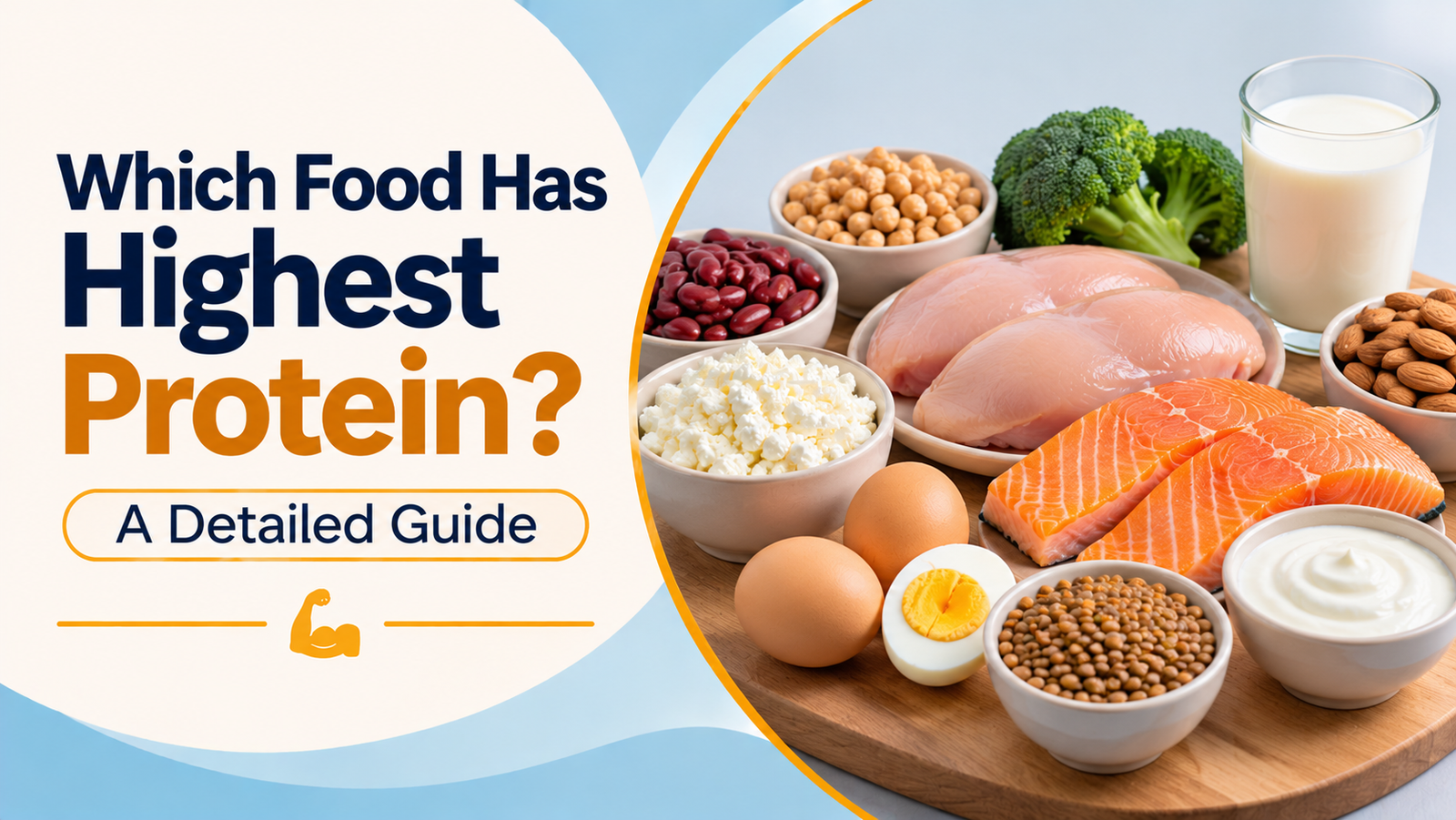
When athletes ask which food has the highest protein, pure protein sources top the list. Whey protein isolate provides roughly 80g of protein per 100g — the highest of any food. Animal sources follow closely:
- Chicken breast: ~31g per 100g
- Tuna: ~30g per 100g
- Lean beef: ~26g per 100g
- Turkey breast: ~29g per 100g
- Egg whites: ~11g per 100g
- Greek yogurt: ~10g per 100g
These protein foods are the core of a high protein diet for athletes who want lean muscle growth without excess fat. For convenience, whey protein is the most practical way to reach very high protein targets quickly. Athletes in Vadodara who train with high intensity often combine whey with whole foods such as chicken, eggs and lean meat.
For an athlete weighing 70 kg with a target of 1.8 g/kg/day, this means roughly 126 g of protein daily — a target easily met with whey, chicken breast and lean beef.
Choosing the highest protein foods per 100g is especially useful for athletes who need to hit aggressive protein targets within limited eating windows, such as before or after training.
These values are approximate and depend on the specific cut of meat, preparation method and supplement formulation used.
Athletes who follow a high protein diet should spread these sources across the day to maintain a positive protein balance.
Athletes seeking the highest protein intake should prioritise these foods based on availability, budget and digestive comfort.
Highest Protein Veg Food?
For vegetarian athletes, the highest protein plant-based option per 100g is paneer (~18g per 100g), followed by cottage cheese (~11g), whole eggs (~12g) and Greek yogurt (~10g). Paneer is an excellent high protein vegetarian food because it combines good protein density with low carbohydrate load — useful for athletes on a specific dietary plan.
Vegetarian athletes can also combine sources such as paneer with nuts, seeds and whole grains to build a complete amino acid profile across meals. This makes paneer a practical base for a high protein vegetarian diet.
Vegetarian athletes should also include dairy and eggs where permitted, and combine plant sources to ensure complete amino acid intake.
For vegetarian athletes, combining paneer with dairy and eggs creates a robust high protein vegetarian diet.
Highest Protein Vegan Foods Per 100g?
For vegan athletes, the highest protein foods per 100g include seitan (~25g), tempeh (~19g) and tofu (~12g), while pea protein (~80g per 100g, dry weight) is the standout supplement. These make up the best high protein vegan foods available for plant-based athletes.
Compared with whey, plant proteins vary in leucine content, which is the key trigger for muscle synthesis. Vegan athletes who use pea protein or seitan can still achieve strong muscle repair when total daily intake is adequate. Adding these high protein vegan foods to a vegan athlete’s daily plan helps match the demands of hard training.
Vegan athletes can therefore use seitan, tempeh and pea protein as the foundation of a high protein vegan diet.
For endurance athletes, calorie-dense vegan sources such as seitan may help meet high energy and protein needs during long training blocks.
Plant based athletes should also include a variety of sources rather than relying on a single vegan food.
Combining vegan sources with resistance training gives athletes a complete approach to plant based muscle support.
How Athletes Should Use These Foods
A physiotherapist for athletes in Vadodara typically recommends spreading protein intake across meals rather than relying on one source. A post-workout shake with whey, a meal with chicken or paneer, and a vegan option such as seitan or tempeh keeps muscle repair on track.
Many athletes in Vadodara follow a schedule that includes strength training, cardio and recovery sessions. Aligning protein intake with these sessions helps ensure muscle repair is optimised throughout the week.
Athletes should also time protein around training — consuming roughly 20–40g of protein soon after exercise to support muscle repair. For structured sport recovery, our Sports Injury Rehabilitation in Vadodara: Complete Recovery Timeline & Cost guide covers how nutrition fits into the wider rehabilitation plan.
Monitoring progress with a physiotherapist helps athletes adjust intake as training load changes across a season.
Regular review of protein intake with a physiotherapist is key to sustaining performance across a training cycle.
Athlete preparation often starts with a structured warm-up. See our Warm-Up Exercises That Prevent Sports Injuries: The 15-Minute Pre-Game Routine.
FAQs: Which Food Has the Highest Protein?
Which food has the highest protein?
Whey protein isolate has the highest protein content at about 80g per 100g, followed by animal foods like chicken breast (~31g) and lean beef (~26g).
What is the highest protein vegan food per 100g?
Seitan leads among vegan foods at ~25g per 100g, with tempeh at ~19g and pea protein at ~80g per 100g (dry).
What is the highest protein vegetarian food per 100g?
Paneer is the highest protein vegetarian food at ~18g per 100g, making it a strong choice for vegetarian athletes.
Are high protein vegan foods as effective as whey protein?
Yes — plant proteins such as pea protein, seitan and tempeh can match animal protein for muscle repair when total daily intake is adequate.
How much protein do athletes need per day?
Most athletes need roughly 1.6–2.2g of protein per kg of body weight per day for optimal muscle repair.
Which high protein foods are best for muscle gain?
Whey protein isolate, chicken breast and lean beef are among the best high protein foods for muscle gain, while vegan athletes can use seitan, tempeh and pea protein.
How can athletes increase protein intake without too many calories?
Athletes can use high protein vegetarian foods like paneer and high protein vegan foods like seitan, or supplement with whey, to reach protein targets while managing calories.
Does protein timing really matter for athletes?
Yes — consuming roughly 20–40 g of protein soon after exercise supports muscle protein synthesis, while spreading intake across meals helps meet daily targets.
What should vegan athletes eat to get enough protein?
Vegan athletes should combine seitan, tempeh, tofu and pea protein across meals to meet protein needs.
Is whey protein the only option for high protein intake?
No — animal and vegan sources can also deliver high protein when planned well.
Visit Our Clinic in Vadodara for Personalised Protein Guidance
If you are an athlete who wants a personalised approach to nutrition, training and recovery, our physiotherapist in Vadodara can assess your needs and create a supportive plan. For more information or to book an appointment, please visit our Contact Us page or reach out to our clinic directly.
Curious which protein source is right for your training? Book with Dr. Ranakdevi Raj, Physiotherapist, to plan your athlete nutrition in Vadodara.