

Is sugar ever good for your teeth, or is that a myth?
Many patients ask whether a small amount of natural sugar is needed to keep teeth or gums healthy, especially when food packaging promotes “natural energy” or “unrefined cane sugar”. While glucose is an energy source for the body’s cells, your teeth do not absorb nutrition from the food that passes over them in your mouth.
Free sugars include all sugars added to foods and drinks by a manufacturer, cook or consumer, plus the sugars naturally present in honey, syrups, jaggery and fruit juices. They do not include the intrinsic sugars bound inside whole, intact fruits, vegetables or plain milk.
From a dental perspective, there is no form of dietary sugar that benefits a tooth. Once a tooth has erupted into the mouth, its outer enamel shell is non-living mineral crystal. It cannot grow stronger by coming into contact with sweet foods. Instead, every exposure to free sugar feeds the bacterial biofilm sitting along the gumline and in the grooves of your molars.
Why do people occasionally hear that “some sugar is good for teeth”? Usually, three separate ideas get mixed together in everyday conversation:
- Confusing whole foods with extracted sugar: Crunchy whole apples and raw carrots contain natural sugars, but their high fibre and water content stimulate saliva when chewed. You can read more in our guide to seven foods that support healthy teeth. It is the fibrous chewing action and mineral content that help the mouth, not the sugar itself.
- Mistaking unrefined sweeteners for tooth-safe foods: In many Indian households, jaggery (gud), raw honey and rock sugar (mishri) are viewed as healthier than refined white sugar. While they retain trace minerals, plaque bacteria still digest their sucrose, glucose and fructose into acid at the same speed.
- Blending true sugars with sugar alcohols: Ingredients such as xylitol and sorbitol are chemical polyols used in dental chewing gums. They taste sweet on the tongue, so people casually call them “tooth-friendly sugars”, even though they are non-sugar sweeteners that starve decay-causing bacteria.
The clinical bottom line: Your body uses carbohydrates for systemic energy after digestion, but inside the oral cavity, dietary sugar is strictly a fuel source for acid-producing plaque bacteria.
What happens inside your mouth within 20 minutes of eating sugar?
Sugar itself is not corrosive. If you placed a clean tooth in sterile sugar water with zero bacteria present, the enamel would not dissolve. The damage happens because the human mouth hosts hundreds of microbial species that form a sticky, colourless film over the teeth every single day.
Enamel demineralisation is the chemical process in which acids produced by dental plaque dissolve calcium and phosphate ions out of the hard outer crystal layer of a tooth. When more minerals are lost over time than saliva and fluoride can replace, the weakened enamel collapses into a cavity.
As explained by the NIH National Institute of Dental and Craniofacial Research (NIDCR) on tooth decay, decay-causing bacteria immediately begin fermenting sugars and starches upon contact, producing organic acids that attack the tooth surface for 20 minutes or longer after you finish swallowing.
How the acid attack unfolds step by step
- The first 60 seconds (bacterial feeding): As soon as sweet tea, cold drinks, biscuits or mithai touch your teeth, bacteria in dental plaque (primarily Streptococcus mutans and Lactobacillus species) absorb the simple sugars.
- Minutes 2 to 5 (the pH drop): The bacteria metabolise the sugar and excrete lactic acid directly against the enamel surface. A resting, healthy mouth sits near a neutral pH of 7.0. Within minutes of a sugary snack, the pH inside the plaque layer drops below 5.5, which is the critical threshold where tooth enamel begins to dissolve.
- Minutes 5 to 30 (mineral loss): While the plaque pH remains below 5.5, microscopic calcium and phosphate crystals leach out of the enamel prisms. The tooth surface becomes slightly softer and more porous at a microscopic level.
- Minutes 30 to 60 (salivary recovery): Provided you stop eating or sipping, your saliva gradually washes away food debris, buffers the acid back toward a neutral pH, and deposits fresh calcium, phosphate and fluoride back into the enamel. This natural repair phase is called remineralisation.
Understanding this 30-to-60-minute cycle explains why tooth decay is not a sudden accident. It is a daily tug-of-war between acid attacks that strip minerals away and salivary recovery periods that put those minerals back.
| Oral process | What triggers it | Plaque pH level | Effect on tooth enamel |
|---|---|---|---|
| Demineralisation (mineral loss) | Consuming free sugars, sweet drinks or refined starches that feed plaque bacteria | Drops below pH 5.5 within minutes | Calcium and phosphate dissolve out; prolonged loss creates white spots and cavities |
| Remineralisation (mineral repair) | Sugar-free intervals between meals, healthy saliva flow and fluoride toothpaste | Rises back above pH 5.5 toward neutral (7.0) | Saliva and fluoride redeposit minerals into the porous enamel crystal structure |
Are jaggery, honey or fruit juices safer for teeth than white sugar?
One of the most persistent dental myths we hear at our clinic in Gotri is that switching from white table sugar to jaggery (gud), brown sugar, honey or fresh fruit juice protects your family’s teeth from cavities. Patients are often surprised when a child or adult who avoids packaged sweets still develops decay after eating jaggery chikki or drinking sweetened lemon water every afternoon.
To oral bacteria, the origin of a simple sugar molecule makes no difference. Whether sucrose and fructose come from a refined sugar mill, a block of organic jaggery or a spoonful of raw honey, plaque bacteria ferment them through the exact same metabolic pathway and release the exact same enamel-eroding acids.
Stickiness multiplies the risk: Soft jaggery, honey-coated nuts and dried fruits cling tightly to the deep chewing pits of back molars, holding concentrated sugar against the enamel far longer than a food that dissolves and washes away quickly.
| Sweetener or food source | Classed as a “free sugar” by WHO? | How plaque bacteria react | Practical risk to tooth enamel |
|---|---|---|---|
| Refined white or brown sugar | Yes | Rapidly fermented into lactic acid within minutes | High: primary driver of enamel demineralisation across all age groups |
| Jaggery (gud) and khandsari | Yes | Fermented identically to white sugar (mostly sucrose) | High: often sticky; clings to molar grooves and extends acid exposure time |
| Honey and natural syrups | Yes | Fructose and glucose are immediately converted to acid | High: viscous texture coats teeth; never dip a baby’s pacifier in honey |
| Packaged or fresh fruit juices | Yes (juicing releases free sugars) | Liquid sugars bathe every tooth surface and interdental gap | High: combines bacterial acid production with direct fruit-acid erosion |
| Whole, intact fresh fruits | No (intrinsic sugars inside plant cells) | Slower sugar release; chewing fibre stimulates protective saliva | Low: safe as part of regular meals when paired with daily brushing |
| Plain milk and unsweetened curd (dahi) | No (natural lactose with calcium) | Minimal pH drop; rich in calcium, phosphate and casein proteins | Protective: helps buffer oral acids and supports enamel mineral balance |
Notice the sharp distinction between whole fruit and fruit juice. When you eat a whole guava or apple, the sugar is locked inside fibrous plant walls, and vigorous chewing triggers a flood of alkaline saliva. When that same fruit is juiced, the cellular walls are broken down, turning the sugar into concentrated liquid “free sugar” that washes directly between the teeth.
The WHO guideline on sugars intake specifically recommends limiting all free sugars (including honey, syrups and fruit juices) to less than 10% of total daily energy intake, and ideally below 5% (roughly 25 grams or 6 teaspoons per day for an average adult), to minimise dental caries throughout life.
Why does how often you eat sugar matter more than how much you eat?
If two people consume the exact same weight of sugar in a day, say 30 grams, one of them can maintain healthy enamel for years while the other develops multiple cavities within twelve months. The difference almost always comes down to eating frequency rather than total weight.
Think back to the 30-to-60-minute recovery clock after each sugar exposure. Every time you take a sip of sweetened chai, nibble a biscuit at your office desk, or suck on a throat lozenge, that clock resets to zero.
- Scenario A (Single mealtime exposure): You eat a piece of sweet mithai or dessert immediately after lunch, then drink plain water for the rest of the afternoon. Your mouth experiences one acid attack lasting roughly 30 to 45 minutes. For the remaining 23 hours of the day, your saliva is in repair mode.
- Scenario B (Grazing and sipping all day): You drink four cups of sweet tea spaced across the morning and afternoon, eat two cream biscuits at 11:00 am, a sweet cold drink at 3:00 pm, and a piece of chocolate after dinner. Even if the total sugar weight is modest, your teeth endure seven separate acid attacks, keeping your enamel in a state of continuous mineral loss for five to six hours every day.
The grazing trap: Saliva needs an uninterrupted break of at least two to three hours between snacks to neutralise plaque acid and rebuild weakened enamel. Constant sipping or nibbling removes that recovery window entirely.
Why nighttime sugar is the most damaging of all
Timing relative to sleep is equally important. During the day, your salivary glands produce a steady flow of fluid that washes sugars off your teeth and neutralises acid. While you sleep, your natural saliva flow drops to a fraction of its daytime rate.
- Late-night adult snacking: Eating sweets right before bed without brushing leaves sugar pooling around the teeth for six to eight hours with minimal saliva to clear it.
- Bedtime bottles in toddlers: Falling asleep with a bottle of sweetened milk, formula or juice rapidly causes early childhood caries (nursing bottle decay), which can severely damage upper front teeth.
- Infant beverage guidance: The World Health Organization recommends that children under 2 years of age should not consume any sugar-sweetened beverages at all.
Which everyday Indian snacks and drinks carry the highest decay risk?
Patients often assume that tooth decay only happens to people who eat large amounts of Western confectionery or fizzy colas. In routine clinical examinations across Vadodara, however, we frequently find hidden decay caused by everyday household foods that either stick to the teeth or combine sugar with fermentable refined starch.
When evaluating your daily diet, look at how long a food remains trapped on the chewing surfaces after you swallow:
1. Refined starch-plus-sugar snacks (biscuits, rusks and bakery items)
Tea-time biscuits, cake rusks, cream rolls and sweet bread are among the biggest hidden culprits in adult and childhood cavities. They combine refined wheat flour (maida) with added sugar. Enzymes in your saliva (amylase) break the cooked starch down into simple maltose sugars while the sticky dough paste packs tightly into the deep grooves of your molar teeth. Because a wet biscuit paste does not dissolve easily in saliva, it can sit inside a molar fissure and feed plaque bacteria for over an hour.
2. Sticky traditional sweets and dried fruits
Peanut or sesame chikki made with jaggery, soan papdi, caramelised sweets, chewy toffees, and even dried fruits like dates (khajoor) or raisins adhere stubbornly to enamel and between tight tooth contacts. If you wear fixed braces, these sticky foods also lodge behind brackets and archwires, accelerating white-spot decalcification. Patients in orthodontic care can check our guide to braces in Vadodara for appliance-safe diet habits.
3. Frequent sweetened beverages and acidic drinks
Sweetened masala chai sipped slowly at work, packaged fruit beverages, sports energy drinks, sweetened lassi and carbonated sodas deliver liquid sugar into every microscopic crevice between your teeth. Carbonated drinks and citrus beverages add a second problem: they have a low intrinsic pH (often between 2.5 and 3.5), meaning they cause direct acid erosion of the enamel surface even before plaque bacteria begin fermenting the sugar.
- Highest retention risk: Cream biscuits, sweet rusks, sticky jaggery chikki, chewy caramels and cough syrups or lozenges taken repeatedly across the day.
- High liquid-wash risk: Frequent cups of sugared tea or coffee, packaged mango or mixed-fruit drinks, energy drinks and carbonated colas.
- Lower-risk alternatives between meals: Roasted chana, plain almonds or walnuts, unsweetened buttermilk (chaas), plain paneer cubes, cucumber slices and whole fresh seasonal fruit.
Why do some “sugar-free” mints and gums claim to protect teeth?
If you have ever looked at the back of a packet of dental chewing gum or sugar-free mints, you may have seen claims that the product helps reduce plaque acid or supports enamel mineralisation. This is where the confusion behind the search query “is sugar good for your teeth” often starts.
Sugar alcohols (polyols) such as xylitol, erythritol, sorbitol and mannitol are carbohydrate-derived sweeteners that stimulate the sweet taste receptors on your tongue but cannot be fermented into acid by decay-causing oral bacteria.
These ingredients are not dietary sugars; they are non-cariogenic sugar substitutes. When you chew a sugar-free gum sweetened with xylitol after a meal, two helpful things happen in the mouth:
- Bacteria cannot produce acid from them: Unlike sucrose or glucose, Streptococcus mutans bacteria cannot metabolise xylitol for energy. The bacteria absorb the xylitol molecule, fail to break it down, and stop multiplying and producing lactic acid.
- Chewing boosts protective saliva flow: The physical act of chewing stimulates your salivary glands to produce up to ten times their resting flow rate. That extra saliva is rich in bicarbonate ions (which neutralise plaque acid) and dissolved calcium and phosphate (which help repair early enamel softening).
However, it is important to keep non-sugar sweeteners in clinical perspective:
- They are a substitute, never a treatment: Chewing xylitol gum after lunch can help clear food debris and buffer acid when you cannot brush, but it never replaces twice-daily brushing with fluoride toothpaste or interdental cleaning.
- Watch for hidden acids in “sugar-free” drinks: A diet soda or sugar-free energy drink contains no fermentable sugar, so bacteria will not make lactic acid from it. However, the drink itself still contains phosphoric or citric acid, which directly erodes tooth enamel if sipped frequently.
- Digestive tolerance and general health guidance: Consuming large amounts of sugar alcohols can cause mild bloating or laxative effects, and the WHO notes that non-sugar sweeteners should not be relied upon as a standalone shortcut for long-term metabolic weight control in place of reducing overall dietary sweetness.
What are the early warning signs that sugar is damaging your enamel?
One of the biggest challenges with sugar-induced tooth decay is that the earliest stage causes zero pain. Enamel contains no living nerves or blood vessels. By the time a tooth aches spontaneously or throbs at night, the decay has already eaten completely through the outer enamel, crossed the underlying dentine layer, and reached the living nerve chamber (pulp) in the centre of the tooth.
According to NHS clinical guidance on tooth decay, early decay often produces no symptoms at all, while progressing cavities cause visible white, brown or black spots on the tooth surface, sharp sensitivity to sweet, hot or cold foods, and eventually persistent toothache or a painful gum abscess.
| Stage of decay | What is happening to the tooth | What you might notice at home | Typical clinical management |
|---|---|---|---|
| 1. Early demineralisation (white-spot lesion) | Acid has dissolved subsurface minerals from the enamel, leaving the outer surface intact but porous | A dull, chalky white patch near the gumline or around braces; no pain or sensitivity | Reversible without drilling: professional fluoride application, 1,350-1,500 ppm fluoride toothpaste and sugar reduction |
| 2. Enamel cavity | The weakened enamel crystal collapses, creating a small physical pit or surface break | Usually causes no ache; food or dental floss may occasionally catch in a rough spot | Minimally invasive restoration: a conservative tooth-coloured dental filling to seal the defect |
| 3. Dentine decay | Decay reaches the softer, porous dentine layer beneath the enamel, which connects to microscopic nerve tubules | Sharp, brief twinge when eating sweet foods, cold water or hot tea; visible brown or grey shadow | Restorative filling or inlay: removing the decayed tissue and sealing the tooth before bacteria reach the nerve |
| 4. Pulp involvement or dental abscess | Bacteria invade the central pulp chamber, causing inflammation, nerve death and a pocket of pus at the root tip | Throbbing pain that lingers, pain when biting, disturbed sleep, gum swelling or a bad taste | Endodontic or surgical care: requires root canal treatment to save the tooth, or tooth extraction if unrestorable |
If you notice a sharp twinge specifically when biting into a piece of chocolate or drinking sweet tea, treat that symptom as an early warning. Sweet sensitivity usually means the protective enamel seal has breached and concentrated sugar is drawing fluid through exposed dentine tubules. Having it examined promptly often means the difference between a straightforward twenty-minute filling and a multi-visit procedure.
How can you protect your teeth without giving up every sweet food?
Preventing cavities in a real household does not mean banning every festival sweet, birthday cake or cup of chai for life. It means managing when sugar enters your mouth, how fast it clears from your teeth, and how consistently you reinforce your enamel with fluoride.
The NHS recommendations on keeping teeth clean set out evidence-based daily rules that significantly lower decay risk even when your diet includes occasional sweets:
- Keep sweet foods and drinks strictly to main mealtimes: If you enjoy mithai, dessert or a sweet drink, have it immediately at the end of lunch or dinner rather than as a standalone afternoon snack. Your saliva flow is already at its peak during a main meal, which helps buffer the acid and clear the sugar much faster.
- Rinse with plain water immediately after eating sweets: Swishing a mouthful of plain tap water after drinking sweet tea or eating sticky food washes away loose sugar before plaque bacteria can ferment all of it.
- Wait 30 to 60 minutes before brushing after acidic or sugary drinks: If you have just consumed fruit juice, cola or sweet lemon water, the acid temporarily softens the microscopic top layer of your enamel. Brushing forcefully right away can scrub softened mineral crystals off. Rinse with plain water first, let your saliva re-harden the surface for half an hour, and then brush.
- Brush twice daily with 1,350 to 1,500 ppm fluoride toothpaste: Check the back of your toothpaste tube. Both the WHO and the NHS advise using a fluoride concentration between 1,000 and 1,500 parts per million (at least 1,350 ppm for adults and family toothpaste). Nighttime brushing right before bed is the single most protective habit of the day.
- Spit out excess toothpaste, and do not rinse with water afterwards: Most people rinse their mouth out with a handful of water immediately after brushing. Doing so washes away the concentrated fluoride left on your teeth and reduces its protective effect. Spit the foam out and leave the thin fluoride coating on your enamel overnight.
- Clean between your teeth every day before brushing: A toothbrush bristle cannot reach the tight contact point where two molars touch, which is exactly where sugar-fed interdental cavities form. Use dental floss or a snug interdental brush once a day; see our step-by-step guide on how to floss properly for optimal oral health.
A practical tip for parents in Vadodara: Supervise your children’s brushing until they are at least 7 years old. Use a tiny smear of fluoride toothpaste (at least 1,000 ppm) for children under 3, and a pea-sized blob (1,350 to 1,500 ppm) for children aged 3 to 6, making sure they spit rather than swallow.
When should you book a dental assessment in Gotri, Vadodara?
Because early enamel demineralisation and small interdental cavities rarely hurt, waiting for toothache before visiting a dentist means waiting until the decay is already deep. A routine examination allows a clinician to inspect the biting grooves under bright magnification, check old fillings for leakage, and spot chalky white-spot lesions while they can still be reversed without a drill.
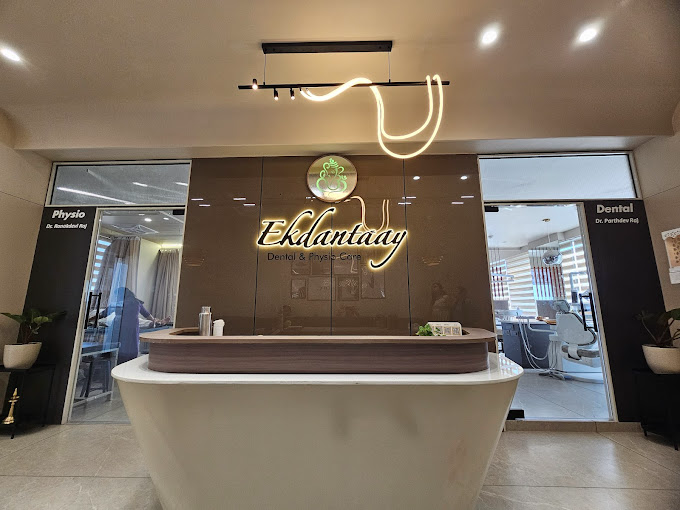
At Ekdantaay Dental & Physio Care in Gotri, Vadodara, Dr. Raj Parthdev and our dental team evaluate patients of all ages with a calm, preventive approach. You should arrange an assessment if you notice any of the following:
- Sensitivity to sweet, cold or hot foods: Even a fleeting twinge when drinking cold water or eating something sweet warrants a check of the enamel and gumline.
- Food repeatedly catching between the same two teeth: When dental floss frays or food wedges in the exact same gap after every meal, it often indicates a hidden cavity on the side wall of the tooth.
- Chalky white, brown or dark spots on any tooth surface: Particularly along the gumline, in the grooves of back molars, or around orthodontic brackets and clear aligner attachments.
- More than 6 to 12 months since your last check-up: If you are unsure whether to ask for a routine examination or a professional scaling, read our guide on booking a dental check-up versus teeth cleaning in Gotri.
If deep decay has already caused a lingering toothache, you do not need to put off care out of anxiety. Modern local anaesthesia makes restorative care comfortable; our recent article on root canal treatment myths versus facts explains how infected teeth are saved predictably and comfortably.
Whether you want a preventive check-up for your family, dietary and fluoride guidance around orthodontic treatment, or an assessment for a sensitive tooth, book an appointment with our team in Gotri, Vadodara and we will give you a clear, honest picture of your oral health.