

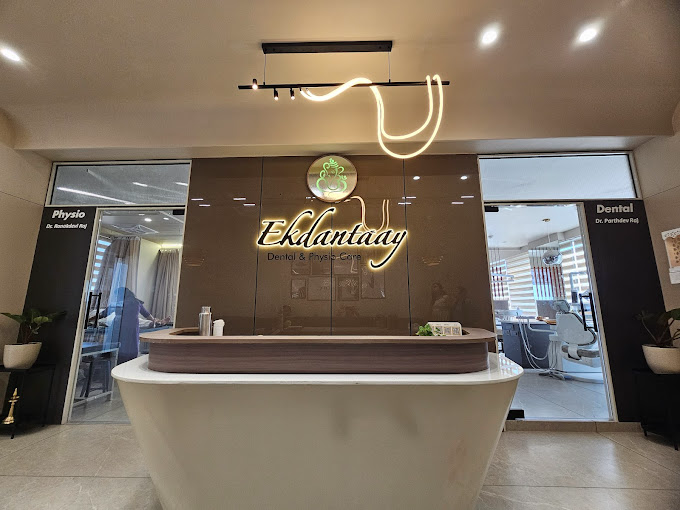
A dental check up assesses your teeth, gums and mouth. Teeth cleaning is a treatment that may be recommended after that assessment. If you are unsure what to book in Gotri, describe your concern and ask for an assessment rather than selecting a treatment yourself. The useful outcome is a clear explanation of your oral health and the next step.
Key takeaways
- A check up and professional cleaning answer different questions.
- Bring your medicine list, previous records and the concern you want addressed.
- Ask which findings need treatment, which can be monitored and why.
- Your next review date should reflect your needs rather than a fixed calendar rule.
How is a dental check up different from cleaning?
Think of the assessment as the conversation that establishes what needs attention. Cleaning is one possible response to the findings. A visit booked for cleaning should not become a substitute for explaining new pain, bleeding or a change in your mouth. Tell the booking team about those concerns at the outset.
NHS guidance describes a check up as an examination of the teeth, gums and mouth, with questions about general health and oral habits. That helps explain why the dentist may ask about matters that seem unrelated to the tooth you came to discuss.
| Visit | Main question to ask |
|---|---|
| Dental check up | What is the condition of my mouth and what needs attention? |
| Professional cleaning | What cleaning is recommended for the findings in my mouth? |
When contacting a dental clinic in Gotri, say when your last examination took place and whether anything has changed. There is no need to choose a technical procedure before a dentist has assessed you.
What should you bring to your first visit?
A short written note is often easier to use than trying to remember everything in the chair. Include your main concern, when you noticed it, any previous treatment to that area and what you hope the appointment will clarify. Describe what happens rather than assigning a diagnosis.
- A current medicine and supplement list, plus known allergies.
- Previous dental records or X-rays if you already have them.
- Details of relevant health conditions and previous treatment.
- Your questions about comfort, time, travel or follow-up.
Do not arrange new scans simply to arrive with a complete-looking folder. Ask whether existing records are useful and whether further investigations will be considered after examination. If you feel anxious, explain what would make communication easier, such as agreeing a pause signal or hearing each step first.
What findings should the dentist explain?
Ask for the concern, its location and the reason it matters in plain language. A recommendation is easier to understand when the dentist separates the finding from the proposed treatment. You should also be able to ask what monitoring would involve if immediate treatment is not advised.
Bleeding, swelling and soreness of the gums are reasons to seek a dental assessment. Mention these even if your original booking was for cleaning. An online description cannot establish the cause or severity in your mouth.
- What did you find, and can you show me the area?
- Does this need treatment now or a review later?
- What alternatives are relevant to my situation?
- What should make me contact you before the next visit?
You can write down the answers or request a written summary. A useful plan states the next action and what you are being asked to decide, without requiring you to remember unfamiliar treatment names.
Which home care questions are worth asking?
Use the visit to make your routine more specific. Ask which areas you are missing, which cleaning aid suits those spaces and whether you can practise the technique before leaving. Product names matter less than understanding how to use the recommended aid in your own mouth.
The NHS recommends brushing with fluoride toothpaste twice a day and cleaning all tooth surfaces. Ask how general advice should be adapted around your existing dental work rather than buying several new products without a plan.
- Ask for a demonstration of the difficult-to-reach area.
- Explain anything that makes daily cleaning hard.
- Check which product advice is essential and which is optional.
For more background before the appointment, read our guide to cleaning between your teeth. Use it to prepare questions, not to decide which treatment you need.
How should you discuss time and fees?
Start with the assessment and ask what it includes. If treatment is recommended, request a separate explanation of its purpose, likely visits, alternatives and estimate. This keeps the booking decision manageable and avoids confusing the fee for an examination with the cost of a complete treatment plan.
| Question | Why it helps |
|---|---|
| What is included in this appointment? | Clarifies the assessment you are booking. |
| Will any additional procedure need separate consent? | Gives you a clear decision point. |
| What follow-up is proposed? | Helps you plan appointments and questions. |
Share practical constraints early, such as a work shift or limited availability. Ask which decisions can be made after the assessment and which information is still needed. A short available window should be discussed openly rather than used to rush a treatment choice.
When should you return?
Ask the dentist to explain the proposed review interval and what it depends on. The aim is a plan you understand, including what to do if your symptoms change before the scheduled visit. A reminder in your phone can include both the review date and the concern being monitored.
NHS advice bases the next check up on oral health and future risk rather than requiring every person to return at the same interval. Your own interval should come from the clinician who has examined you.
- Confirm what the next appointment is intended to check.
- Record the agreed action at home.
- Keep the clinic contact details with your appointment note.
To arrange an assessment, use the Ekdantaay appointment contact page and describe the reason for your visit. Ask the team to confirm availability and what to bring.
Frequently asked questions
Can I book cleaning without knowing whether I need it?
Describe what you want help with and ask how the visit should be booked. The dentist can explain whether professional cleaning or another next step is appropriate after assessment.
Do I need to bring a new X-ray?
Bring existing records if available. Ask the clinic what it needs before arranging anything new. Further investigations should have a reason connected to your assessment.
Should every check up be six months apart?
There is no single interval for everyone. Ask for a review date based on your oral health and the reason for that recommendation.
Can I ask for the treatment plan in writing?
Yes, ask for a written explanation of the recommended care, alternatives, estimate and follow-up. It gives you something concrete to review after the appointment.
This article provides general information. A clinical assessment is needed for advice about your own symptoms or treatment.